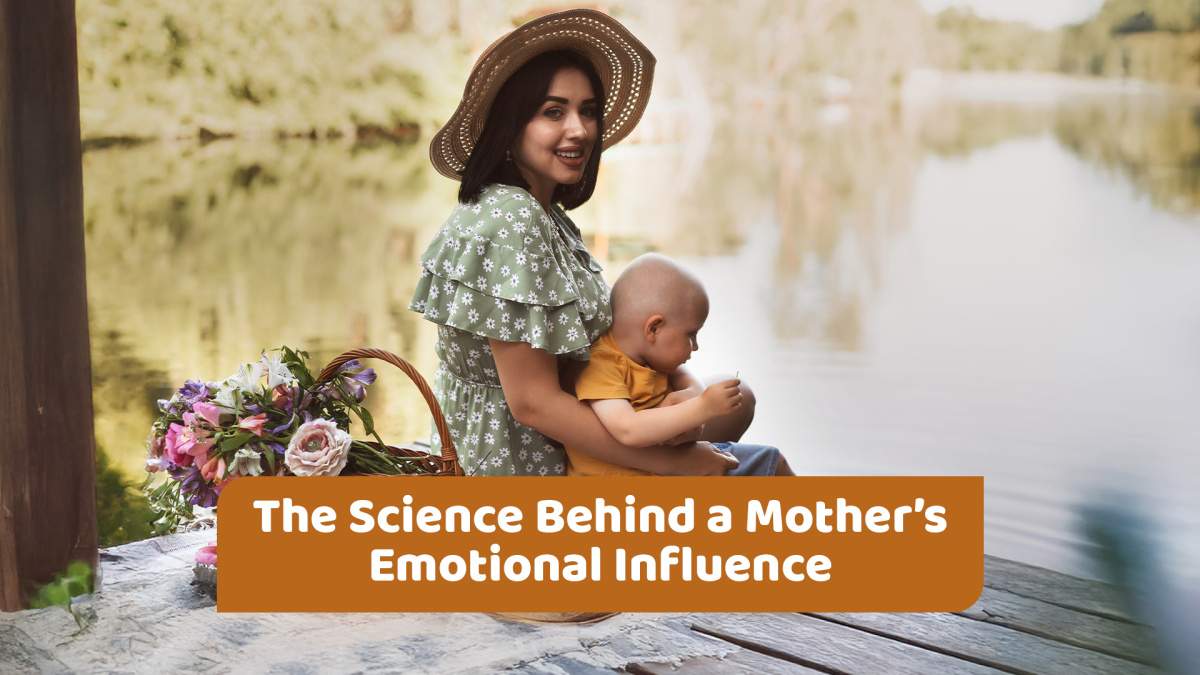
The emotional lessons children learn from their mothers go far beyond childhood. From managing emotions and developing empathy to building confidence and resilience, these early experiences shape how children see themselves and relate to the world in mother-child bonding.
The following outlines the key emotional lessons children learn from their mothers, which influence their lifelong emotional development and behavior.
1. Emotional regulation
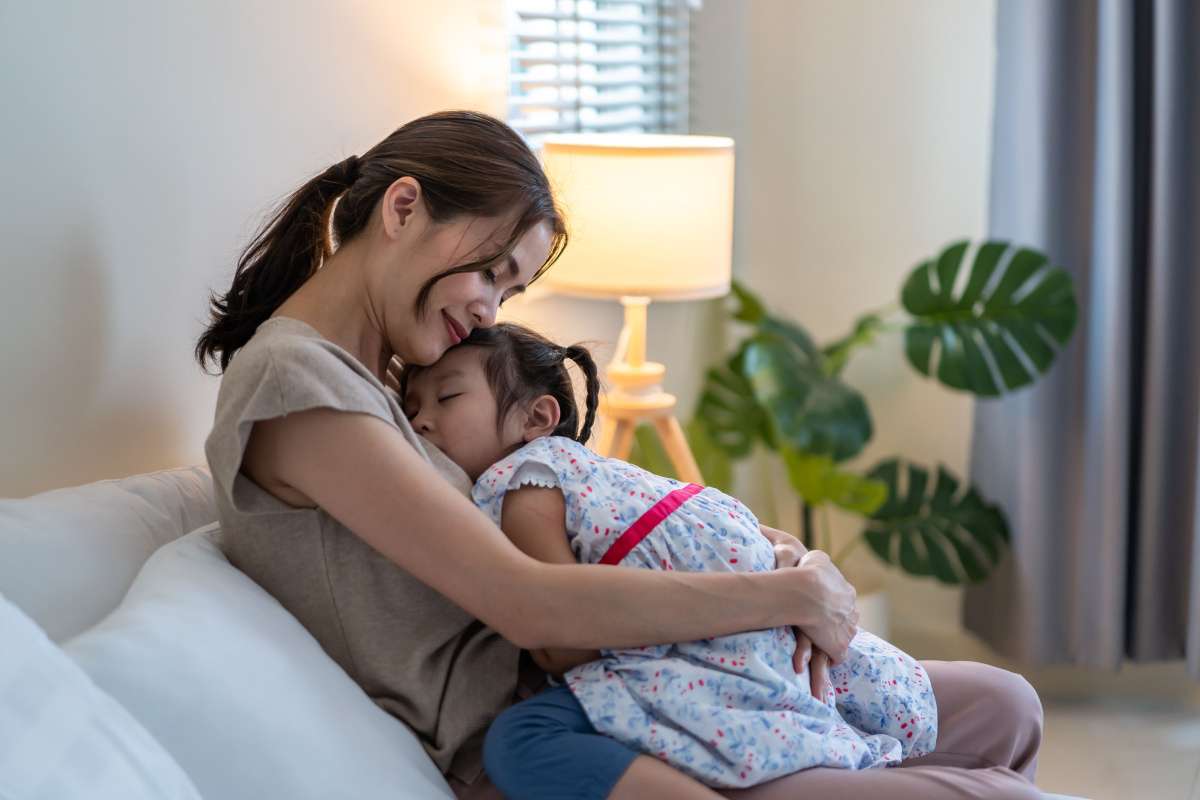
When a mother responds calmly to a child's distress, it creates emotional regulation in children, helping them understand that emotions can be regulated rather than experienced as overwhelming. Research in developmental psychology shows that when children receive consistent emotional responsiveness, it strengthens secure attachment development and supports the brain pathways that are responsible for self-control and stress management. With repeated experiences, children begin to adopt these regulatory patterns, leading to improved emotional stability and more adaptive responses to stress factors.
Hot weather can make children more irritable and emotionally sensitive, allowing mothers to teach emotional regulation and calm coping responses through supportive guidance.
2. Emotional validation creates safety
Children learn to feel emotionally safe when mothers notice their feelings and accept them rather than ignore or reject them. This kind of emotional validation helps children form a secure bond with their mother, which later becomes the base for confidence and trust in their relationships.
3. Developing empathy and kindness
When children see their mothers being caring and considerate toward others, they naturally learn to copy these behaviors. Emotional communication between a mother and child helps children understand their own feelings as well as those of others in early childhood emotional learning.
4. Strengthening self-esteem and strength
Emotionally supportive parenting reduces fear of failure and promotes resilience for self-esteem development in children. Emotionally mature parenting is associated with greater confidence and stronger coping skills in children as they grow.

5. Social behavior and relationship habits
A mother's way of communicating, handling conflict, and showing affection becomes a model for her child's future relationships. This helps children in social-emotional development as they learn respect, personal boundaries, and the balance of giving and receiving in relationships. As a result, children carry these learned behaviors into their friendships, school relationships, and later romantic relationships.
6. Emotional resilience in difficult times
Mothers also help children build emotional resilience by guiding them through feelings like disappointment, frustration, and sadness. Instead of shielding children from challenges, emotionally aware mothers guide them through coping strategies.
A mother's consistent guidance helps children learn the importance of a daily routine for emotional balance and well-being, especially when they wake up late and skip breakfast, which can affect their mood and behavior.
7. Understanding identity and emotions
As children grow, mothers help shape their sense of identity by encouraging them to express their feelings and become more self-aware. Children gradually learn to name their emotions, understand what triggers them, and reflect on their experiences. Emotional awareness in children plays an important role in personal growth and mental well-being.
Mothers nurture emotional lessons in kids, enabling them to do things without supervision while helping them feel emotionally secure and supported.
Looking at the psychological factors involved
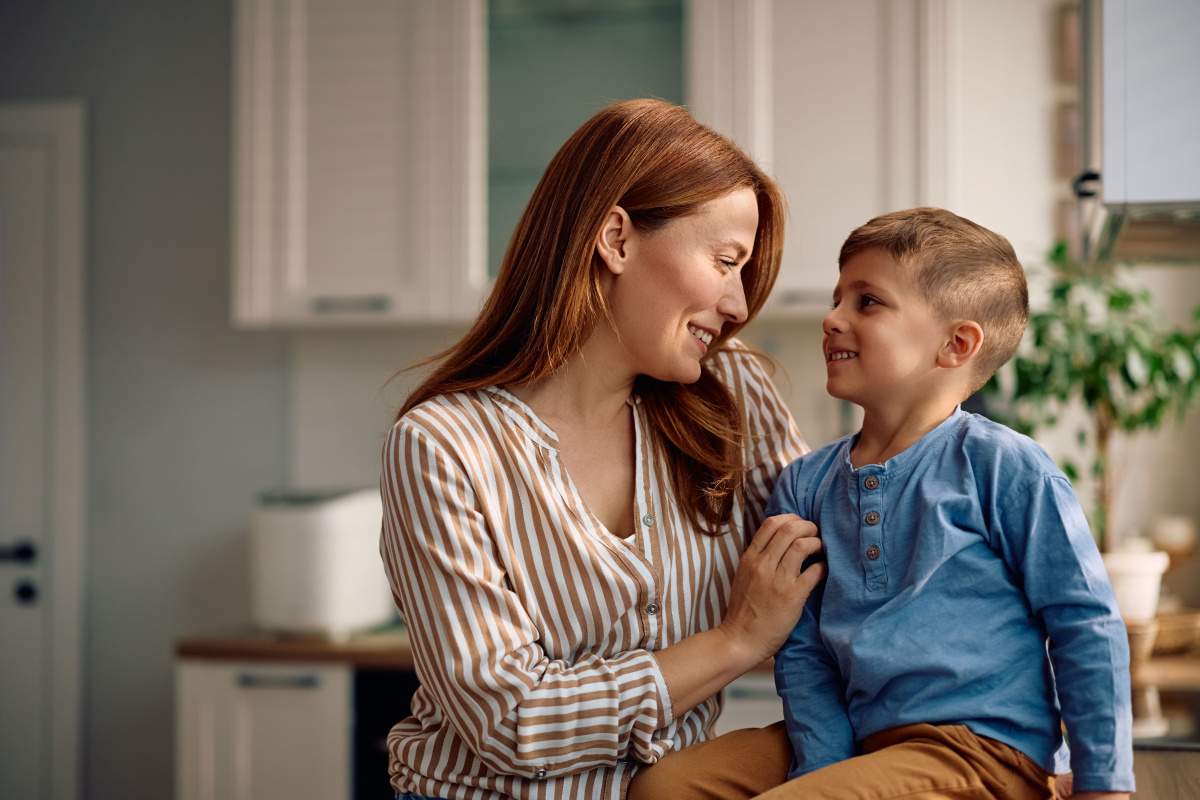
- Research in developmental psychology shows that when a mother responds consistently to her child's emotions, it reflects positive parenting and helps the child learn to manage stress and build a secure bond.
- According to attachment theory, when a mother consistently responds with sensitivity, children develop an inner sense of safety and emotional stability.
- Repeated emotional interactions between a mother and child help strengthen brain pathways involved in emotion processing, decision-making, and impulse control, supporting overall cognitive-emotional development.
- When mothers acknowledge and accept their children's emotions, they tend to develop stronger emotional control and better social skills. When emotional responses are inconsistent or dismissive, it can lead to anxiety and difficulty in managing emotions.
Children naturally develop emotional skills such as regulation, confidence, and a sense of security through their mother's guidance and everyday responses while taking part in summer activities.
Emotional development is strongly influenced by regular interactions, especially the way a mother responds to her child's feelings. If a child's emotions are ignored, dismissed, or handled inconsistently, they may find it harder to manage and understand their feelings later in life, even when love is present, leading to emotional neglect effects. Children develop emotional strength when their feelings are acknowledged, while they are still gently guided toward appropriate behavior and self-control.
Children build emotional intelligence through everyday interactions, such as a mother's tone of voice, reaction to stress, and the way she handles frustration or calm moments. While mothers play a significant role, a child's emotional development is also shaped by fathers, other caregivers, the environment, social experiences, and influences on the overall family system. Focusing only on mothers can create unrealistic expectations and ignore the wider support system that influences a child's emotional growth.
References
- Mother–child emotional interaction and emotional development
- Mother–child emotional communication and emotional competence
- Maternal reactions and children’s socio-emotional development
- Maternal role in emotional competence development
- Emotional development shaped by mother–child bonding and interaction
- Emotional coaching and parent–child emotional communication research


