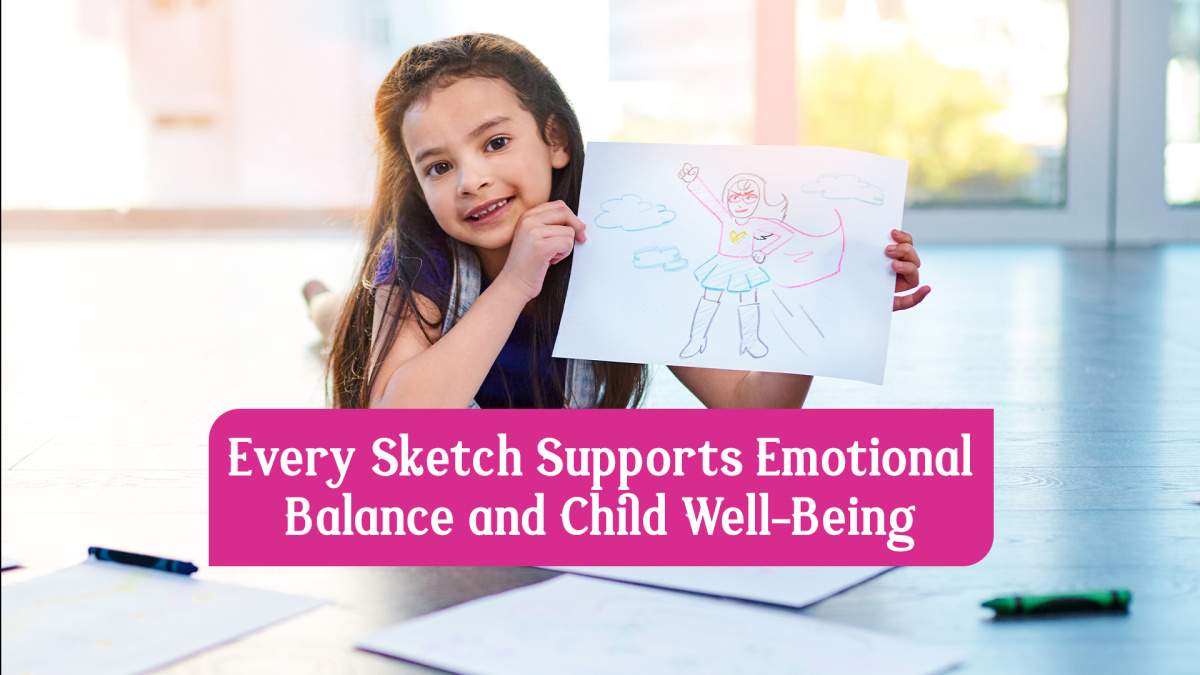
Children feel emotions deeply, but often don't yet have the words to express what they are going through. In the early years, children tend to express themselves through actions, play, and creative activities like drawing more than through conversation, making emotional expression in children a visual and sensory process.
Drawing becomes a natural and easy way for children to express their inner world, turning thoughts and feelings into images they can understand and share. Whether it's a simple scribble or a detailed picture, each drawing can express feelings that might otherwise stay unspoken.
Beyond creativity, drawing supports emotional development by helping children process their feelings, release stress, and understand their experiences in a safe and non-verbal way. We look into the different aspects that explain how drawing improves emotional expression in children and why it is essential for building emotional intelligence in kids.
Drawing can be part of a child’s daily routine as a simple and calming activity that helps them express feelings, relax, and reflect on their day.
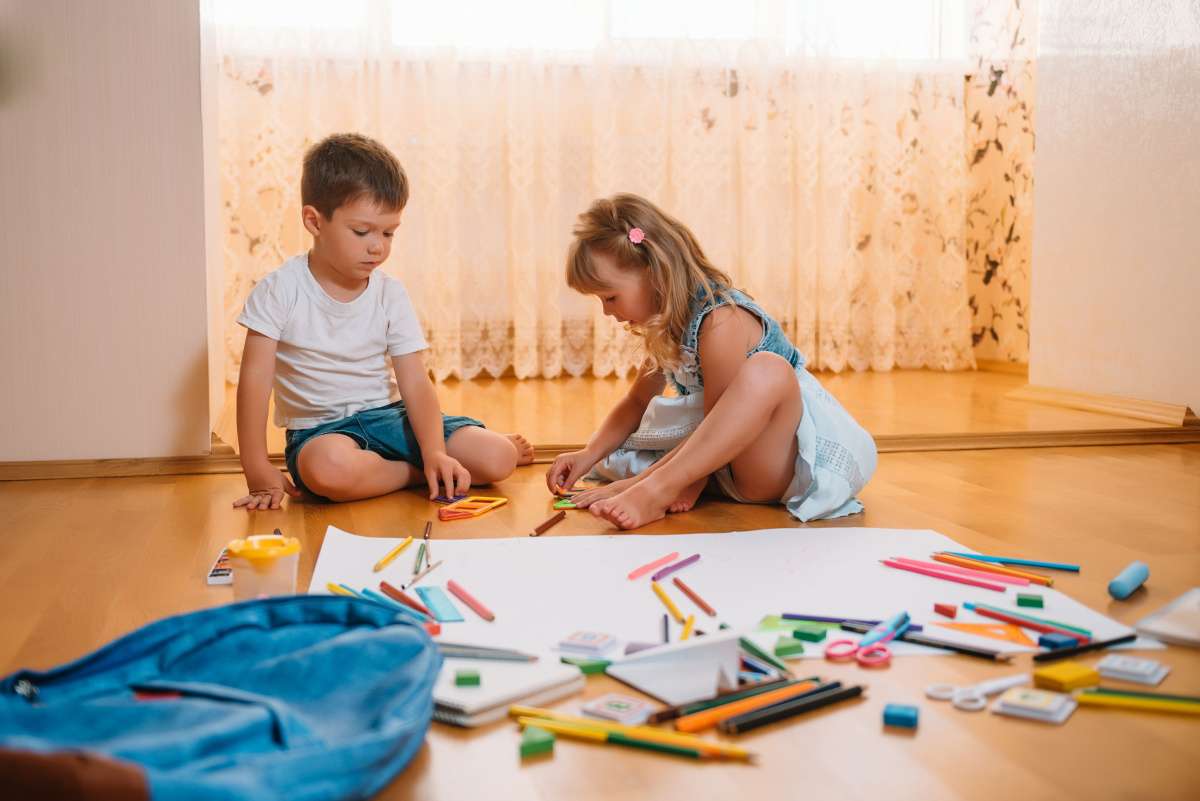
Emotional Regulation
Research shows that drawing can improve a child’s mood, especially when it is used as a distraction from negative experiences. Children who engage in drawing after a sad experience show noticeable mood improvement, regardless of what they draw. It helps calm them during emotional distress, shift focus from negative thoughts, and develop self-soothing strategies.
Bridging the gap between thoughts and feelings
When a child draws a stormy sky. A broken figure or bright and happy scenes. They are translating their feelings into visual form. This process strengthens emotional awareness in kids and helps them understand their feelings.
Encourage imagination and emotional processing
Studies show that children experience emotional benefits whether they draw real or imaginary subjects, supporting children's emotional development. Through imagination, children can safely recreate difficult experiences, gain a sense of control over situations, and explore emotions indirectly.
Drawing connects naturally with outdoor activities by encouraging children to observe nature, express what they see and feel, and turn their outdoor experiences into meaningful artwork.
Builds confidence and imagination, expression skills
When children create something on their own, they develop a sense of achievement and confidence. This emotional boost encourages them to continue expressing themselves. Over time, drawing strengthens their ability to communicate emotions more clearly, not just through art but also verbally and socially.
A tool for communication
Parents, teachers, and caregivers can gain insights by observing drawings, as they act as an early form of non-verbal communication in children, helping them share experiences, thoughts, and feelings before they fully develop language skills.
Therapeutic power
Drawing is widely used in art therapy because it creates a safe space for exploration and emotional healing in kids. It allows children to process difficult experiences such as fear, grief, or anxiety without confrontation. Instead of talking about emotions, they can display them.
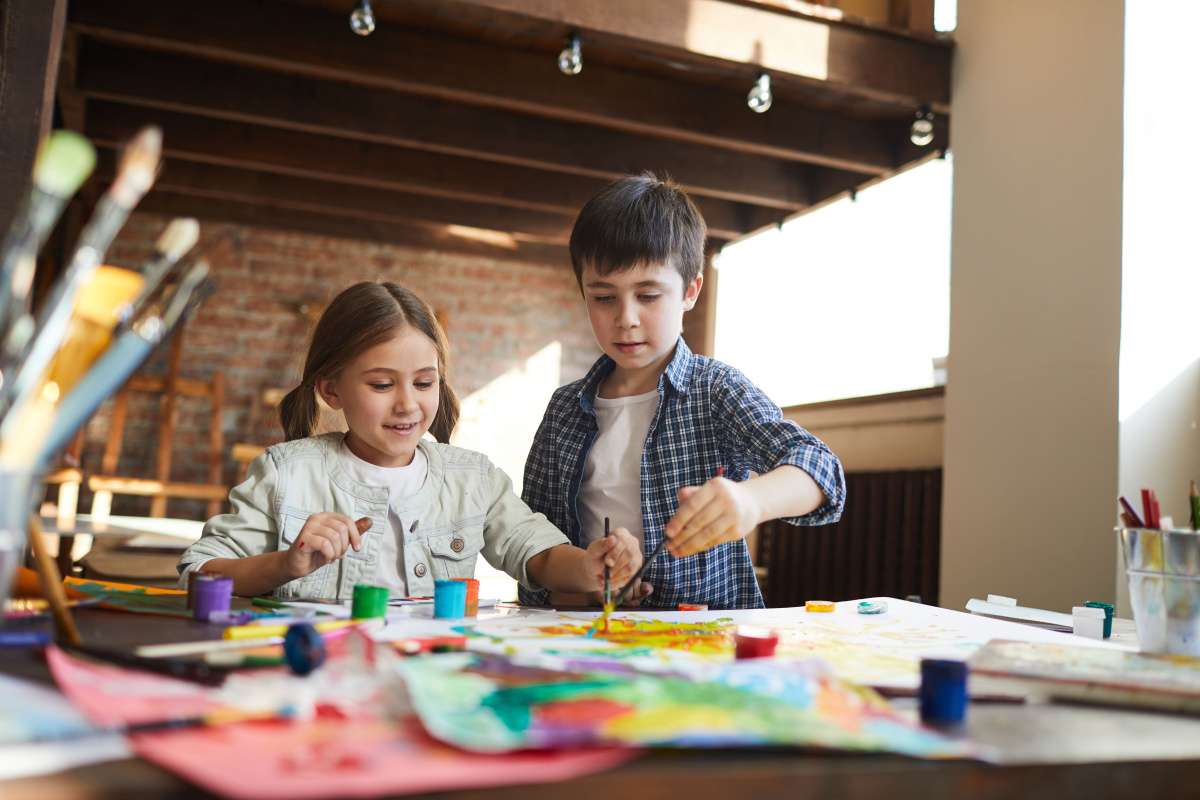
Drawing adds a creative element to picnics and outdoor activities, allowing children to explore their surroundings and express themselves while spending time in nature.
Underlying Psychology
In early childhood, the emotional brain develops faster than the logical and language-based brain, which is why drawing in child development is a natural bridge that helps them express feelings they cannot yet put into words.
From a psychological perspective, drawing is a form of symbolic representation in child psychology, emotional expression through art, and art therapy for children. Children use images, colors, and shapes to represent inner experiences. For example, dark colors, sharp lines, or chaotic patterns may reflect distress, while bright colors and open spaces may indicate comfort and happiness.
When children focus on drawing, it activates the brain’s attention and creativity centers, while naturally calming stress-related regions like the amygdala.
A child might draw a sad character instead of saying, "I feel sad." This indirect expression feels safer and less threatening, especially when dealing with complex emotions.
Drawing also supports cognitive-emotional integration in child development, which is the process of connecting feelings with understanding. As children draw and later describe their artwork, they begin to link emotions with thoughts and experiences.
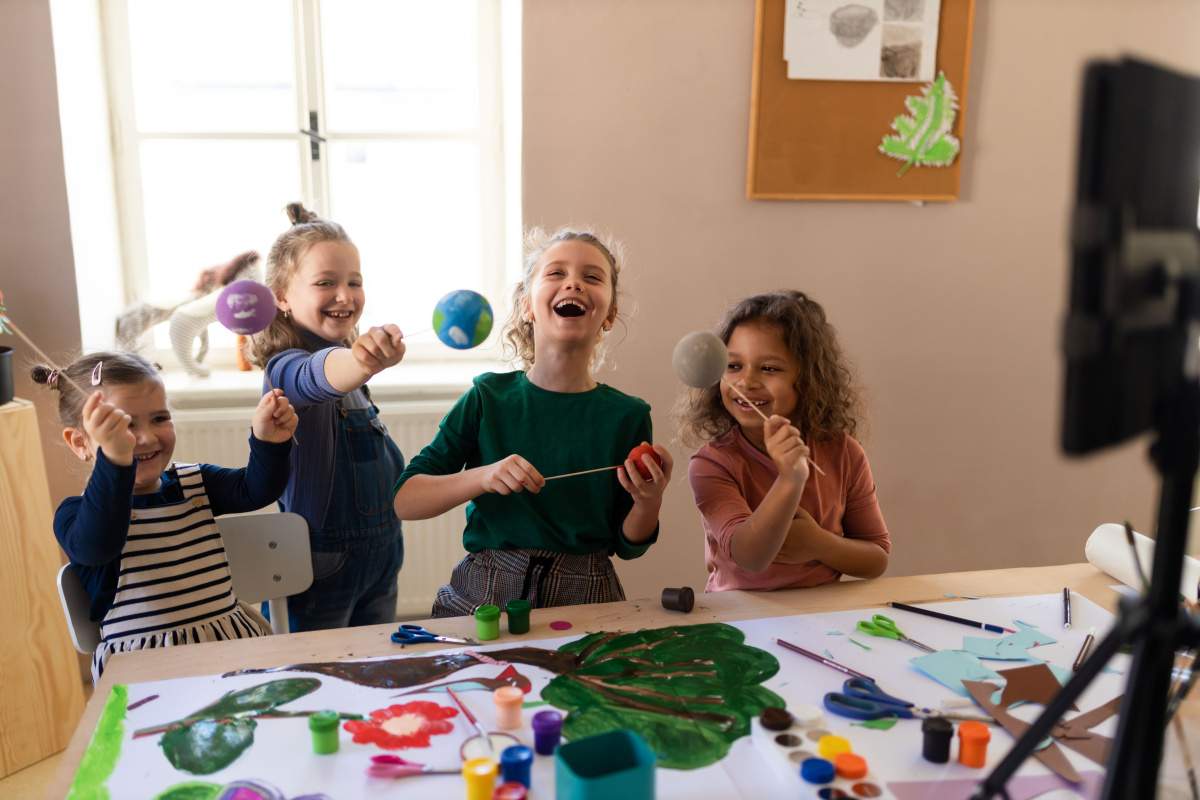
When they recreate situations through art, especially difficult or confusing ones, they can reshape the outcome, add elements of safety, or imagine solutions. This helps reduce feelings of helplessness and builds emotional resilience and mental well-being in children.
Parents can regulate their children’s screen time by introducing drawing as a regular activity that naturally shifts their attention away from devices and keeps them engaged more healthily.
The emotional value of drawing is not about how good it looks, as even simple scribbles can express deep feelings. Drawings can offer clues about a child’s feelings, but they do not have fixed meanings and should not be overanalyzed without understanding the context.
Some people think that drawing is just a distraction, but it actually helps manage emotions by calming minds and providing stress-relief activities for kids.
People often assume children will express everything through drawing on their own, but in reality, they need a supportive environment and gentle encouragement to do so. Many people think drawing is only for younger children, but it remains a powerful way for older children to express and manage complex emotions safely and creatively.
References
- Art Therapy for Children: How It Leads to Change by Diane Waller
- Art Therapy as an Intervention for Children (Research Study) by Jia-Fen Wu & Chi-Yang Chung
- Art Therapy for Children Following Adverse Experiences (ScienceDirect Study)
- Art Therapy and Psychological Well-Being in Children by Ashika S. Chhotray


