Parenting Toddlers vs Preschoolers: How You Need to Approach Differently at Each Stage
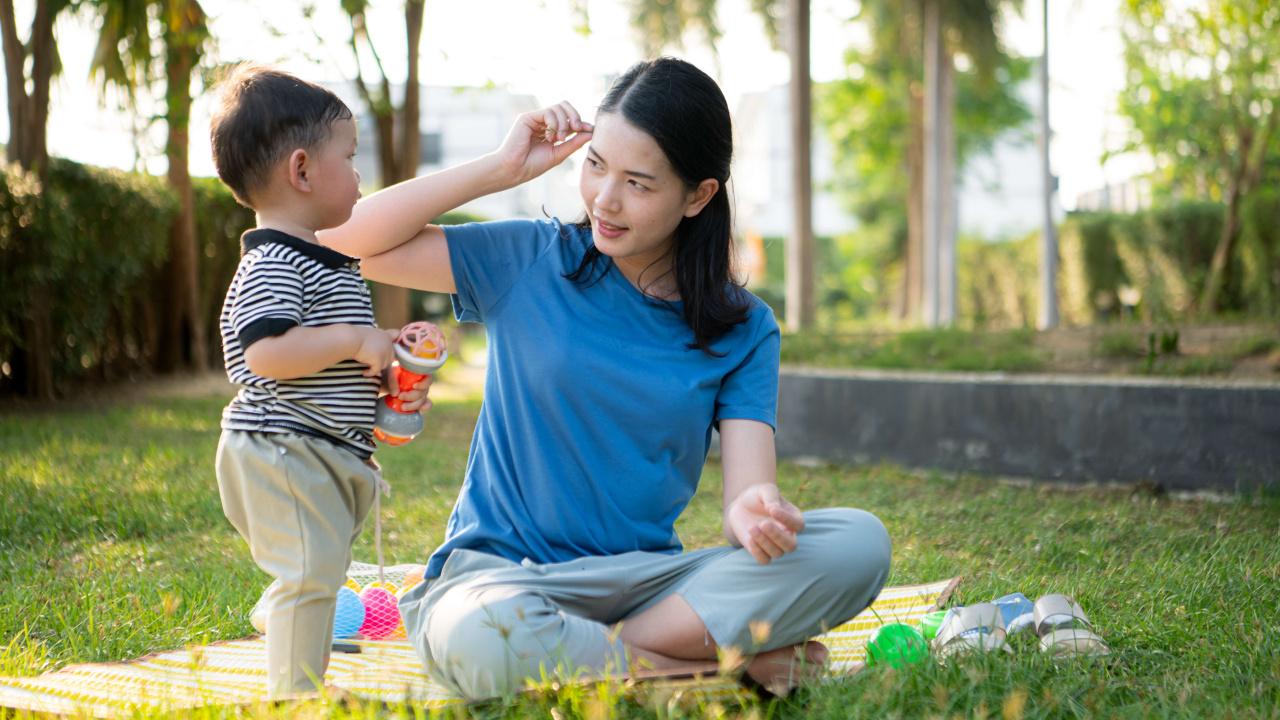
Parenting techniques for a 2-year-old don’t work well for a 4-year-old getting ready for school. Sounds familiar? That’s because they are constantly growing and changing. Parenting toddlers vs. preschoolers are two different things. Once you were running behind them trying to change their ‘no’ to a ‘yes’, or dealing with ‘toddler’ tantrums; now you’re probably answering their ‘whys’ or wondering how to cope with preschooler independence.
Learn how toddler development differs from preschooler development, and how to adjust your parenting approaches as your toddler reaches their next developmental milestone.
Why Parenting Toddlers and Parenting Preschoolers Need Different Approaches
Why Parenting Toddlers and Parenting Preschoolers Need Different Approaches
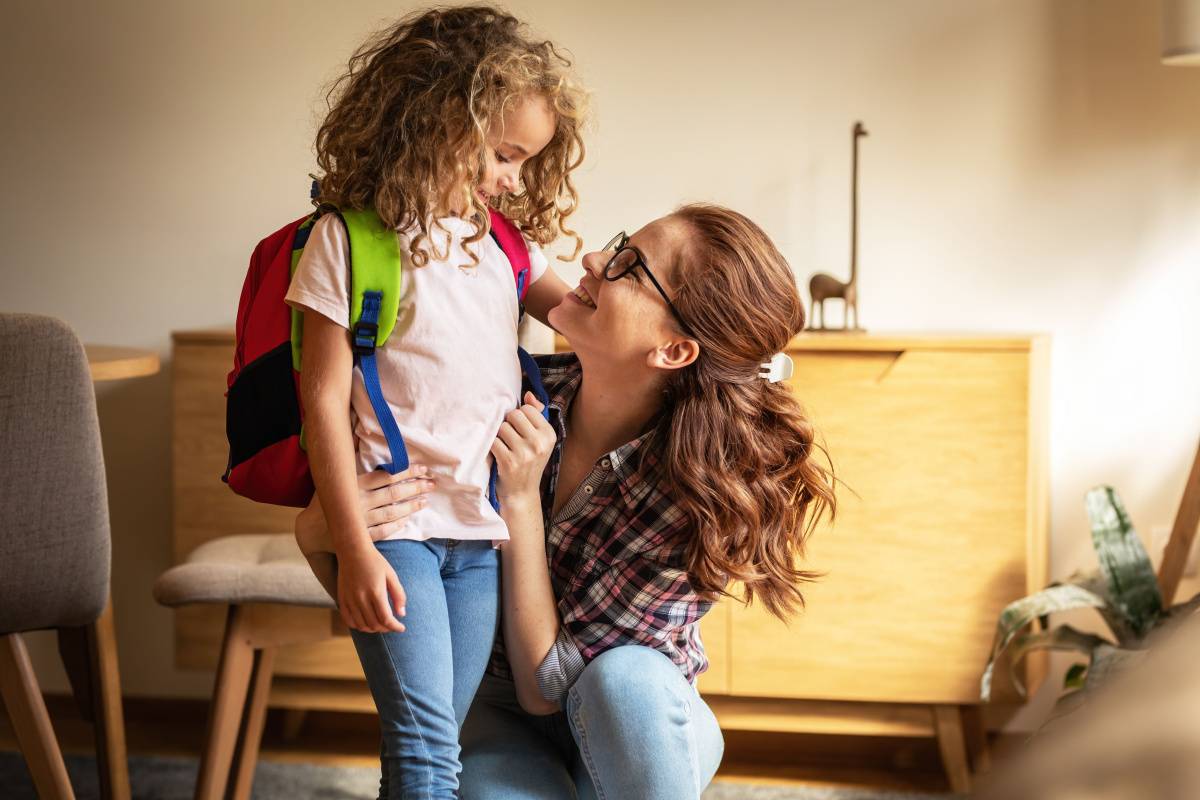
Parenting is no easy job. If you are a first-time parent wondering why your little one's responses to discipline are changing, well, your toddler is growing up!
Let’s look at toddler vs. preschooler behaviour, how growth can bring social and emotional changes, and why changing your parenting approach is important when your toddler is transitioning to the preschooler stage.
Understanding the Age Difference
Between 1-3 years (toddler phase), children undergo major physical and emotional transitions. Preschoolers (3 years onwards) do too, but they begin to express feelings, remember, and deal with others. However, these ages are just a reference, and development varies by child.
Shift in Toddler and Preschooler Development in Communication
Shift in Toddler and Preschooler Development in Communication
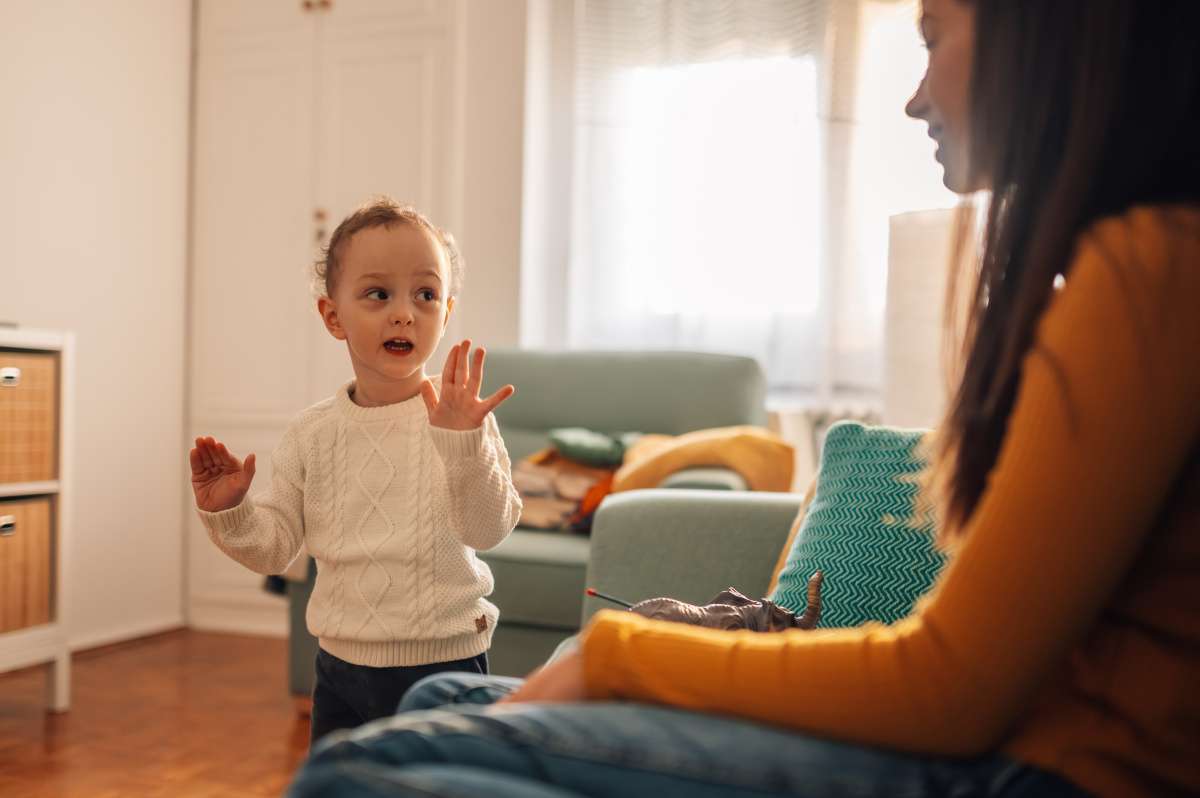
Toddlers can understand and feel quite a lot, but fail to express themselves. Toddler parenting, therefore, works well with short phrases, a calm voice, and your complete focus on them. You can ask about their feelings in short phrases: “Do you feel sad?” or “Did you like it?”, letting them answer in a word or two.
Preschoolers can understand and speak sentences and express themselves slightly better. Questions like "What’s going on?”, or "What can we do about it?" help them speak their feelings out. What’s essential? Always listen to what they have to say until the end, even if it may not be relevant, as this helps build their confidence.
How Parenting Toddlers vs Preschoolers Differs for Tantrums
Toddlers throw tantrums and often experience big emotional outbursts but cannot understand why. The best way, when parenting toddlers, is to stay calm, keep an eye on them, and wait for it to pass.
Preschoolers may also have emotional outbursts, but they can name their emotions. You can ask, "Are you angry or sad?" to understand what is going on. Once they express themselves, suggest how to calm down, such as taking a walk around the house, cuddling, or deep breathing.
In 2023, Lin and Faldowski’s study explained that consistent parental support directly influences a child’s emotion-management skills. Your steady parenting is therefore critical to emotional development in children, whether they're a toddler or a preschooler.
Parenting Approaches for Positive Discipline and Limit-Setting
Parenting Approaches for Positive Discipline and Limit-Setting
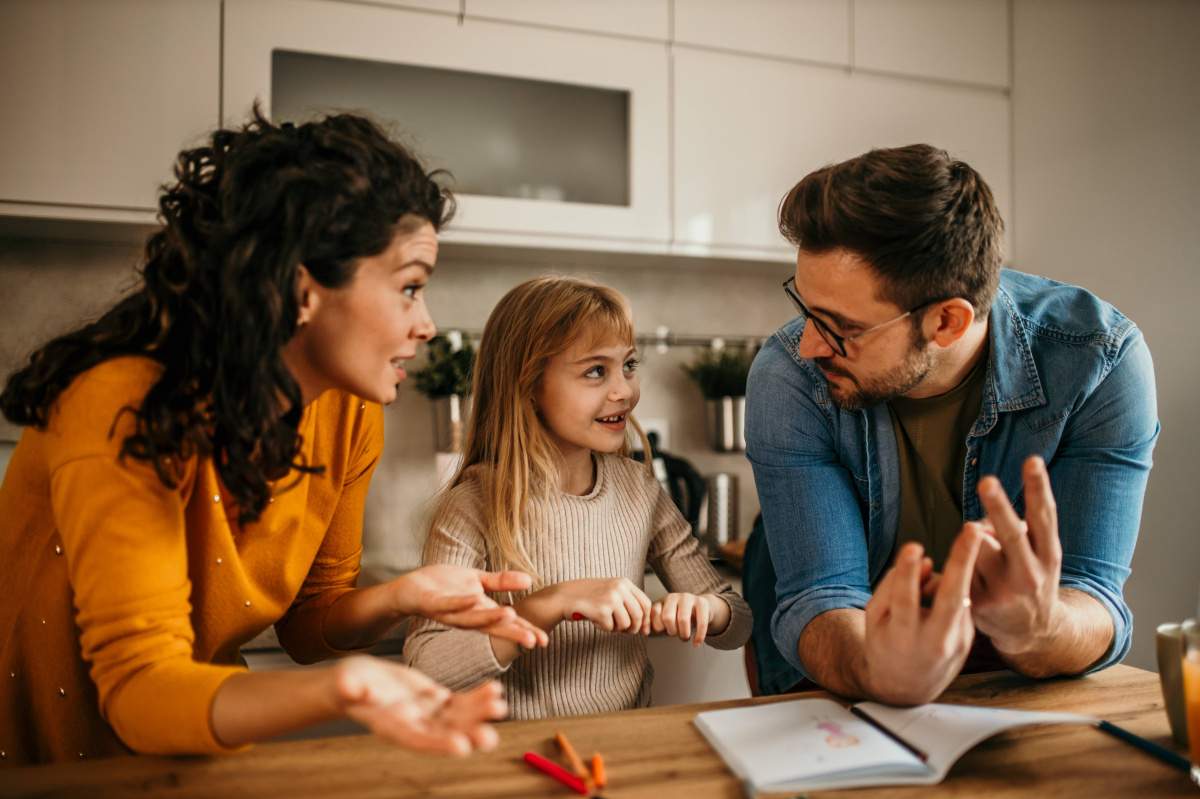
Toddlers follow simple instructions, so you can simply tell them, “ No touching; it's hot" rather than explaining in detail.
Preschoolers can follow a whole sentence, so you can explain the reason and set rules, with a consequence like picking up a toy they threw around. Being firm, yet gentle, works with toddlers and preschoolers, encouraging them to learn the right things. Avoiding anxiety-inducing behaviours while setting boundaries also helps create a reassuring environment. Most importantly, stay consistent, as kids follow patterns rather than remembering an individual instance.
Parental stress plays a crucial role. Findings from Liu et al. 2024 suggest that household chaos and stress affect preschoolers’ attention and behavioral patterns.
Independence, Routines and Responsibility: How Parenting Approaches Vary
A positive preschool parenting approach, rather than discouraging the little one just because they are too young, helps them follow routines and learn responsibility early.
Toddlers love to do everything independently, no matter how long it takes. Allowing them to choose between dress colors, two fruits, or two games makes them feel like they are making the decision.
Preschoolers like to do a little more. Allowing them to try, giving them small, easy responsibilities, like putting away toys, keeping the pillows in place before bed, and appreciating them for what they did, even if they weren’t perfect, has a positive impact on the child. This also allows parents to understand the importance of age-appropriate consequences rather than expecting children to learn through harsh experiences. Let them do the same chores routinely, and add new tasks gradually, as this teaches them confidence.
Social Skills, Learning and Curiosity: Parenting Toddlers vs Preschoolers
Social Skills, Learning and Curiosity: Parenting Toddlers vs Preschoolers
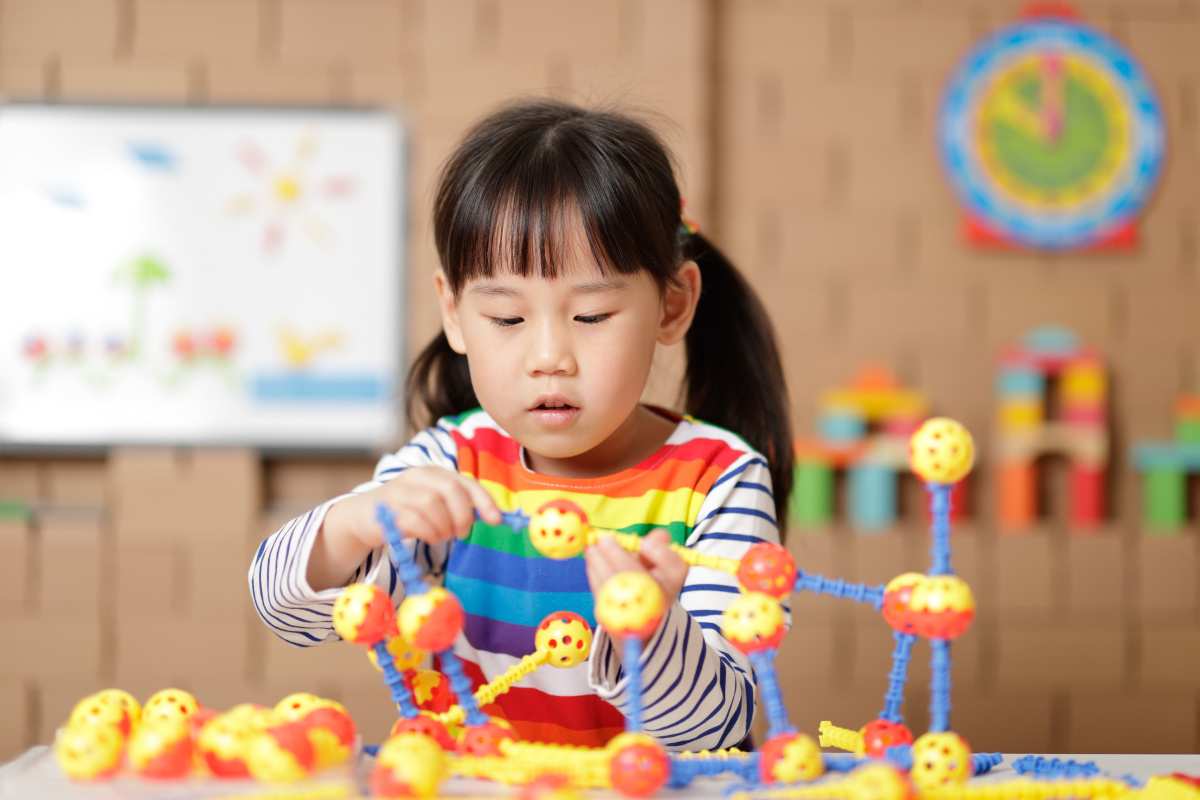
Toddlers usually like to be near other children and play rather than playing with them, while preschoolers try to be involved with others. Parenting preschoolers, thus, involves teaching them how to share, take turns, and be kind.
Learning begins at home; introducing board games and pretend play helps them learn social skills. Get involved only when necessary. Embrace the questions from curious minds. Games like building blocks, puzzles, or even imaginative play support problem-solving skills.Bierman et al. (2023) stated that social and emotional growth is faster in preschoolers, and encouraging self-learning techniques at home can be significantly beneficial.
Adapting Your Parenting Approach as Your Child Grows
Parenting a toddler vs. a preschooler both require patience, watching over, and reassurance, even when your child can do things on their own or speak. For parents managing these responsibilities alone, making parenting decisions can require additional planning and support. Independence builds confidence only when they know you are there for them and that they will not be scolded if they make a mistake. Interact with them in the language they understand best: through games, stories, or gestures. Explain only when your child can understand, and give them practical experience by letting them make choices or assigning doable tasks.
Parenting toddlers and preschoolers the right way means adapting your strategies at each stage of their growth. It's a constant learning process for the parents as much as it is for the kids!


References
- Karen L Bierman, Elizabeth A Stormshak, Morgan D Mannweiler, Katherine A Hails. 2023. Preschool Programs that Help Families Promote Child Social-Emotional School Readiness: Promising New Strategies.
- Qingyang Liu. Ying Zhang. Rachel A. Razza. 2024. Preschoolers’ Attentional and Behavioral Regulation: Differential Pathways through Poverty and Parenting.
- Mei-Ling Lin, Richard A. Faldowski. 2024. The Relationship of Parent Support and Child Emotional Regulation to School Readiness.