Give Kids the Freedom to Touch, Squish, Pour, and Create
Long before a child can read a book or write their name, they are learning through their hands. Texture exploration by squeezing, poking, and patting is an important part of early discovery. As screen-free play becomes a bigger priority for many parents, tactile activities provide a simple mix of sensory exploration, independent play, and quiet entertainment.
The Power of Hands-On Play
Tactile play helps children learn through touch while developing fine motor skills, practicing concentration, processing sensory input, and managing their emotions. Each scoop, squeeze, and touch during sensory play gives children opportunities to explore how different materials feel while practising their sensory processing.
Tactile stimulation isn’t simply something parents notice anecdotally. Studies suggest that regular sensory experiences involving touch can support children’s development and may help ease tension, fussiness, and irritability while supporting digestion. By engaging several senses, they can encourage language development, fine motor control, cognitive skills, and social adaptation.
Occupational therapists note that sensory play can help develop fine motor skills for writing and buttoning, hand-eye coordination for daily activities and sports, and concentration through focused exploration.
What Independent Activities Look Like
What Independent Activities Look Like
Tactile activities can be considered independent when children can explore the materials without needing an adult to guide every step while still receiving light supervision. Children can take the lead, experiment with different options, and make simple decisions for themselves. This does not mean permissive parenting or leaving children completely unsupervised. Meanwhile, an adult can stay nearby to ensure the materials remain safe and age-appropriate.
Choosing the Right Activity for Your Child's Age
Independent tactile play starts with choosing the right activity. Materials should suit the child’s age and developmental stage so they can explore them safely with less hands-on help. For toddlers who are still in the mouthing stage, choose larger edible textures such as cooked pasta or oats.
Older preschoolers can usually explore with small props, scoops, and sorting tools more independently. Kids who understand basic safety rules around play materials can usually handle more involved sensory activities such as slime or painting with an adult supervising. For children with tactile sensitivity, introducing unfamiliar textures gradually can make sensory play more comfortable.
When activities match a child’s developmental stage, they can explore freely without the play becoming unsuitable for their age.
Safe, Independent Tactile Activities to Try
These simple after-school activities give children a chance to unwind, explore different textures, and enjoy hands-on play with light supervision.
1. Sensory Bins
A shallow bin filled with dried beans, rice, pasta, or sand gives children a simple space to scoop, sort, and pour on their own. Add small cups, spoons, or figurines to make the play more engaging. By filling sensory bins with a mix of materials, children can explore different textures in a controlled setting and gradually become more comfortable with new sensations. If a child is still in the mouthing stage, stick to larger, food-safe choices such as cooked pasta or oats rather than small objects.
2. Playdough and Sculpting
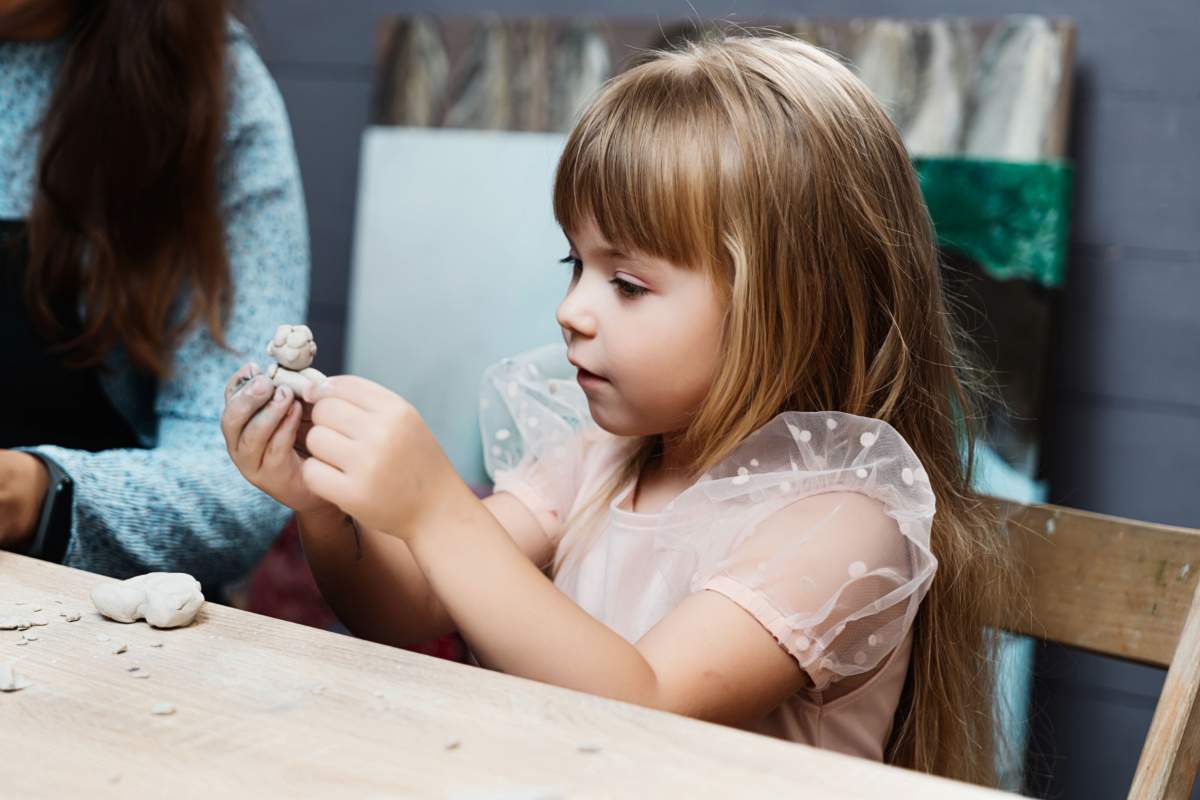
Few tactile activities are as flexible as playdough. As children squeeze, roll, cut, and shape it, they develop fine motor control and hand-eye coordination while strengthening tactile motor development through hands-on play. Give kids the freedom to knead, roll, and mold dough. Keeping cookie cutters or child-safe blunt tools nearby adds variety without requiring constant adult help.
3. Nature-Based Play
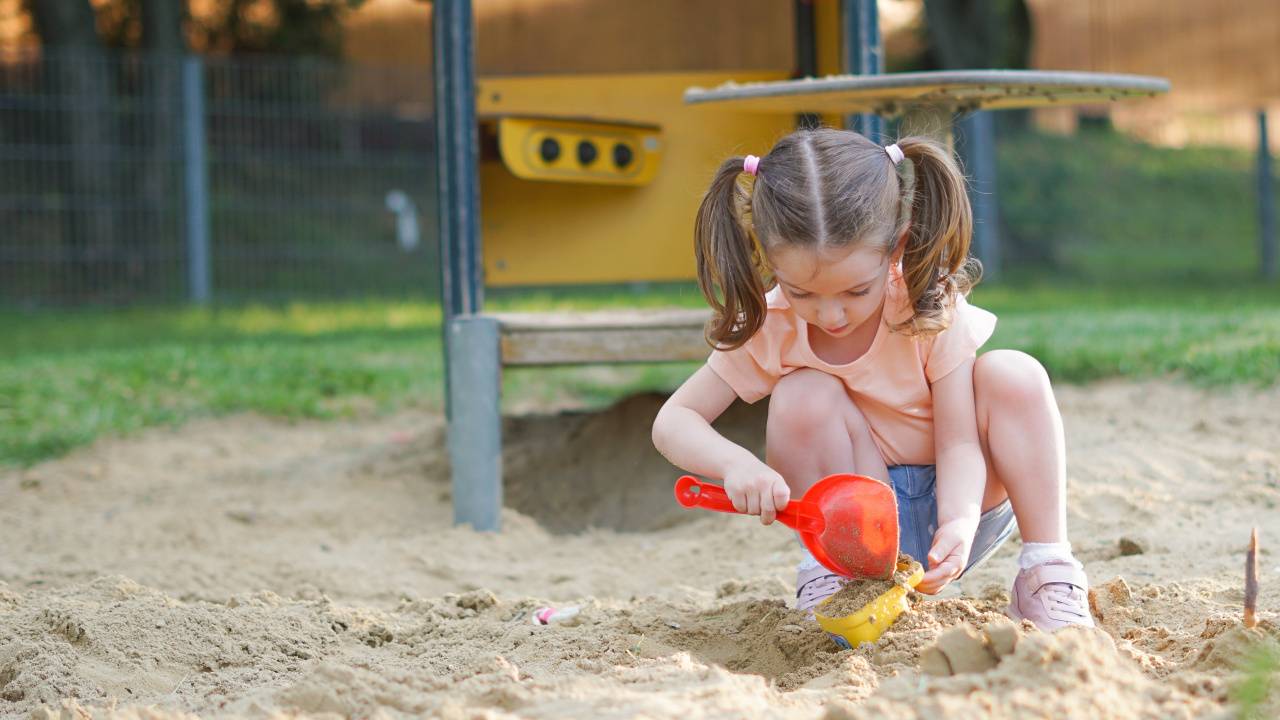
Sensory play does not have to stay inside the house. A garden, sandbox, or nature trail can give children hands-on opportunities to touch and explore natural textures. A backyard or park visit doubles as an independent sensory activity, especially when kids are given a basket to collect textures themselves.
4. Water Play
Combine water with sponges, smooth stones, and plastic cups for an easy sensory activity that keeps children busy exploring different textures. Letting children experience slightly different water temperatures can add to the sensory fun. They can pour, splash, and experiment at their own pace.
5. DIY Slime (for Older Kids)
Homemade slime is a popular sensory activity for children who are no longer putting play materials in their mouths. Squeezing, stretching, and pulling slime can work the small muscles in children’s hands and fingers while supporting tactile development. Its sticky feel also allows them to explore different tactile sensations. Measuring the ingredients ahead of time gives kids the freedom to mix and combine them while reducing the need for constant adult involvement.
6. Finger Painting and Texture Crafts
Everyday art supplies can easily become sensory tools. With finger paints, children can feel different textures while experimenting with color. Set washable paints on a protected table and let them create while an adult keeps an eye on them from nearby.
Building a Safe Independent Play Space

Building a Safe Independent Play Space
A few small adjustments can create a safer sensory play setup for kids to explore independently without constant hands-on supervision.
a. Match materials to age : Keep small objects like beans and beads away from children under 3; choose larger food-based fillers that are more age-appropriate.
b. Choose non-toxic supplies : When picking supplies, look for craft paints, dough, and slime ingredients marked non-toxic and washable.
c. Set up in a visible space : There’s a difference between independent play and being unsupervised. A nearby adult can offer occasional check-ins without taking over.
d. Introduce new textures gradually : If a child is sensitive to certain sensations, introduce unfamiliar materials slowly and let them explore at their own pace.
For children, touching, squeezing, squishing, and exploring are not just ways to have fun. Tactile play supports motor development, emotional regulation, and their growing understanding of the world. Just as parents consider age and safety when choosing tween skincare trends, the same approach applies to sensory play: choose materials that are appropriate for the child's age and needs. Set things up with safety in mind, and kids can enjoy plenty of independent exploration while parents take a well-deserved pause nearby.


