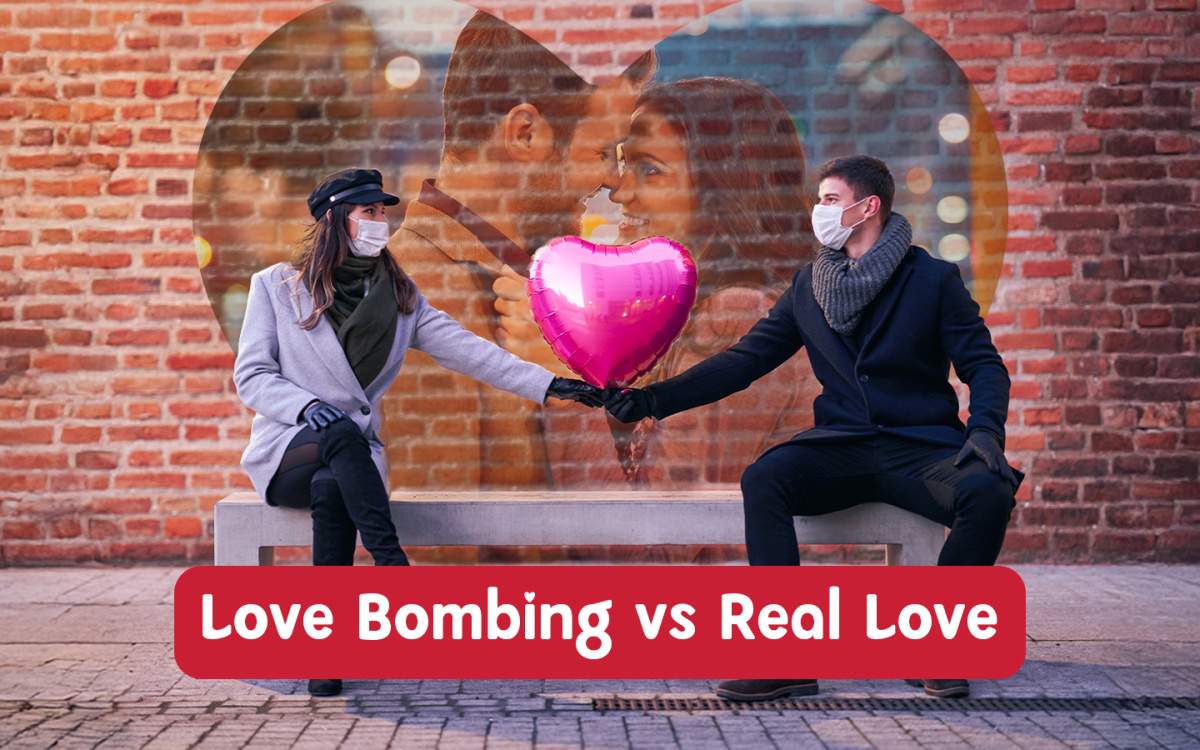
Love bombing is when a person overwhelms their partner with excessive attention in the early stages of a relationship. Initially, this might feel exciting or romantic because the person appears highly invested and emotionally available in the relationship. However, this rapid intensity can also hide many unhealthy intentions to create emotional dependency and control.
The term 'love bombing’ is commonly associated with toxic relationship signs and patterns where affection is often replaced by manipulation or inconsistent behavior. Although strong attraction and excitement are normal in the initial stages of relationships, a healthy emotional connection develops gradually through consistency and mutual respect.
While love bombing may create an immediate sense of closeness, understanding what truly sustains a lasting bond can help distinguish between fleeting emotional intensity and a relationship built on trust, consistency, and mutual respect.
Signs of Love Bombing
Constant Communication: A person who is love-bombing may want nonstop contact throughout the day via calling or messaging. The communication can feel overwhelming because there is little space for personal time or emotional independence.
Excessive Compliments Early On: Love bombers often use constant praise and idealization very quickly. They may describe someone as ‘perfect,’ ‘their soulmate,’ or ‘the best person they have ever met' before truly knowing them deeply.
Rushing Emotional Commitment: The relationship may progress fast, with discussions about marriage, long-term plans, or deep emotional promises appearing within a very short period of time.
Difficulty Respecting Boundaries: When someone becomes upset or emotionally reactive after simple boundaries are set, it can indicate unhealthy emotional attachment rather than genuine affection.
Intense Attention Followed by Emotional Distance: One of the strongest warning signs is inconsistency. A person may initially provide constant affection and attention but later become emotionally distant or unpredictable.

If you find yourself constantly second-guessing your partner’s words or actions after an intense start, it may also help to understand why overthinking becomes a pattern in relationships and how it can affect your emotional well-being.
Love Bombing vs Genuine Affection: Key Differences
Love bombing and genuine affection can look similar at first, but the biggest differences usually appear in emotional pace, consistency, boundaries, and long-term behavior.
| Behavior | Love Bombing | Genuine Affection |
|---|---|---|
| Emotional Pace | It feels rushed and overwhelming | Develops naturally over time |
| Communication | Constant and emotionally intense | Balanced and comfortable |
| Boundaries | Often ignored or challenged | Respected consistently |
| Emotional Effect | Creates pressure or dependency | Creates emotional safety |
| Consistency | Attention may suddenly decrease | Effort remains stable |
| Relationship Focus | Fast attachment | Long-term trust and understanding |
The biggest difference is emotional stability. Genuine affection feels safe and respectful, while love bombing often creates emotional pressure and confusion beneath the intense attention.
Common Relationship Red Flags That Follow Love Bombing
Often, love bombing is not consistent in many unhealthy relationships. Once emotional attachment is established, the behavior can slowly shift into control, instability, or emotional manipulation in the relationship. Someone who seemed very loving at first can become possessive, jealous, or emotionally distant.
Some relationships also develop a cycle in which affection is utilized as a reward following arguments or emotional conflict. This can lead to confusion as the relationship goes up and down with emotional highs and lows. Over time, the partner can become emotionally dependent on the small moments of affection and tends to overlook unhealthy patterns of behavior.

Another major red flag is isolation. The individual may discourage close ties with friends or family, making the relationship seem emotionally consuming and difficult to step away from objectively.
In some cases, the pressure created by constant messaging and emotional intensity is also shaped by modern communication habits, and understanding how digital overexposure is changing love dynamics can offer deeper insight into these patterns.
Why Love Bombing Feels So Intense Emotionally
Love bombing in a relationship feels powerful because it creates instant emotional validation. Being constantly admired, prioritized, and emotionally desired can make someone feel deeply important and emotionally secure at first. The rapid attention also creates excitement and emotional stimulation, which can easily be mistaken for deep love.
The emotional intensity becomes even stronger when the affection later becomes inconsistent. When someone suddenly withdraws attention after giving overwhelming affection, it can create anxiety, confusion, and emotional attachment. Many people continue chasing the emotional highs they experienced at the start of the relationship.
This is why love bombing can become emotionally addictive. The relationship feels passionate and intense, even when it lacks emotional stability, healthy boundaries, and genuine long-term trust.
If the intense attention suddenly disappears, understanding the psychology behind ghosting can also help explain the emotional confusion and anxiety that often follow inconsistent behavior in a relationship.
How to Protect Yourself From Love Bombing in Relationships

Protecting yourself from love bombing starts with recognizing emotional intensity early, maintaining healthy boundaries, and focusing on consistent behavior instead of overwhelming affection.
Slow Down the Relationship: Taking time to understand someone’s personality, emotional behavior, and consistency helps prevent them from getting emotionally attached too quickly.
Observe Actions, Not Words: Grand promises and romantic declarations only mean something if they are backed up by dependable behavior, emotional maturity, and consistent respect.
Maintain Personal Independence: Healthy relationships involve both people having friends, hobbies, routines, and emotional independence without pressure or guilt.
Set Healthy Emotional Boundaries: Healthy boundaries set the emotional balance and reflect the respect a person can handle, personal limits, space, and independence.
Be Consistent: A real emotional connection is consistent through time. Once emotional bonds have been established, healthy affection does not just disappear.
In the initial stages of a relationship, love bombing can feel romantic and emotionally fulfilling, as it creates a strong sense of closeness and validation for the receiver. However, relationships built on short moments of overwhelming emotions rather than consistent trust can become unhealthy in the long run. It is important to understand the difference between genuine affection and manipulative emotional intensity, as it can help people recognize the red flags in a relationship and build healthier emotional connections. At the end of the day, real love is all about emotional safety and consistency without emotional unpredictability or overwhelm.


