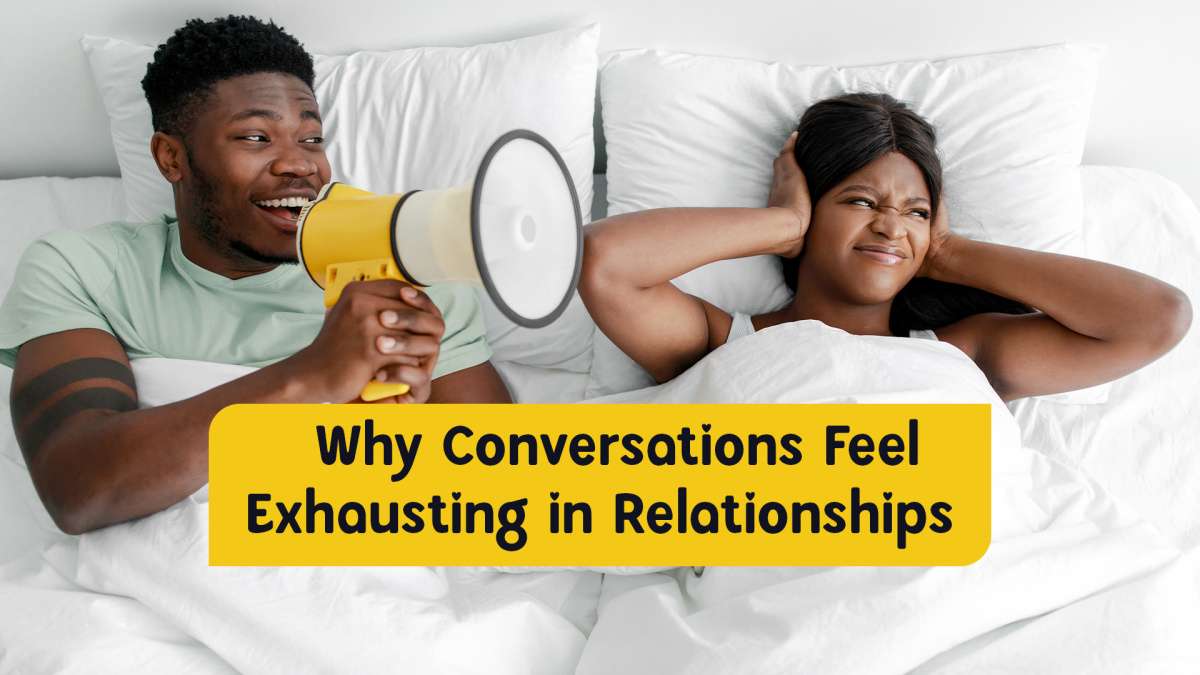
Conversations are the foundation of a healthy relationship. They help to create strong connections and help partners feel understood and valued. However, it is a common problem that modern couples find it hard to have easy and enjoyable conversations. Instead of having a natural flow, even the simple discussions have become draining or repetitive. This happens for many reasons, such as emotional distance and daily stress. Understanding why conversations feel like a chore in relationships is important for building better communication and restoring closeness.
You can also explore Why Modern Dating Feels More Confusing Than Ever to understand how mixed signals and shifting relationship expectations have made modern romance feel more uncertain than ever.
Why Communication Starts to Feel Exhausting in a Relationship
Communication in relationships often feels exhausting when emotional needs are frequently neglected, leaving both partners feeling unheard or disconnected. If one partner carries the whole emotional weight of initiating difficult talks or managing feelings, they can become mentally and emotionally drained after talking to their partner. Only having conversations that revolve around chores or ongoing problems can also reduce the emotional warmth and make communication feel like an exhausting task rather than a source of connection.
The lack of appreciation may make talking feel exhausting, while avoiding issues often creates a hidden tension that surfaces during daily interactions. Gradually, all these negative communication problems in the relationship can increase emotional exhaustion and make conversations feel like a burden rather than a bond.
Signs Conversations Have Become a Chore in Relationships
Forced conversations are a signal of growing emotional distance and unhealthy communication patterns in a relationship. Here are some signs that conversation is becoming a chore and what they may indicate:

| Signs | What It May Indicate |
|---|---|
| Conversations Feel Forced | Talks no longer feel natural or emotionally rewarding |
| Avoiding Conversations | Partners may be emotionally tired or trying to avoid tension. |
| More Silence Than Discussion | Growing emotional distance or reduced desire to connect verbally with each other. |
| Small Topics Turn Into Conflict | Underlying frustration or unresolved issues affect daily interactions. |
| Only Talking About Responsibilities | The relationship may feel more transactional than emotionally connected. |
| Relief When Conversations End | Talking feels exhausting in the relationship rather than supportive or enjoyable. |
| Emotional Topics Are Ignored | Partners may feel uncomfortable or afraid of conflict. |
| Little Curiosity About Each Other | Reduced emotional intimacy and fading interest in each other. |
Common Reasons Couples Stop Talking to Each Other

Many couples stop enjoying conversations when various factors affect the sense of connection and comfort that communication once provided. These are the common reasons for communication issues in a relationship.
Routine: Conversations can feel predictable and repetitive when couples discuss the same topics every day with no emotional depth or new experiences.
Feeling Unheard or Dismissed: Unresolved frustration from past issues can create underlying tension in regular conversations, making them feel uncomfortable and exhausting.
Busy Schedules: Daily responsibilities in personal and professional lives can leave little to no room for meaningful connections, leading to rushed or limited communication.
Excessive Screen Time: Electronic devices can replace face-to-face interaction, reducing the emotional presence between partners.
Different Communication Styles: One partner might prefer deep and emotional conversations, while the other prefers practical ones, which can lead to constant frustration.
Constant Criticism: Constant negative communication in the relationship can feel unsafe, causing partners to withdraw without expressing their true feelings.
Emotional Distance: When the initial closeness between partners begins to fade, their willingness to share personal thoughts and daily experiences also gradually reduces.
Outside Stress: Other important factors, such as financial stress or job stress, can affect the communication in the relationship.
Explore the concept of overgiving in relationships to understand how always carrying the emotional load and neglecting your own needs can quietly create resentment, exhaustion, and disconnection between partners.
How Emotional Disconnect in a Relationship Affects Daily Conversations
When a couple emotionally disconnects, their communication changes in subtle but meaningful ways. They may stop sharing their true feelings and personal concerns because they no longer feel understood or emotionally safe. As this distance increases, everyday conversations can become transactional, focusing mostly on chores or duties rather than affection and connection. At the same time, playfulness and warmth may start to fade, making daily exchanges feel more solemn or emotionally dull.
Because the vulnerability in the relationship is reduced, conversations can also feel shallow and restricted to unimportant topics. Even the regular check-ins may start to feel like systematic practices rather than meaningful moments of connection. Over time, this can lead to avoidance and a deeper sense of separation between partners.
How to Make Conversations Feel Natural Again in a Relationship

Schedule Quality Time: Prioritize proper time for quality moments to connect through meaningful conversations. This could be done during dinner or even ten minutes before bed. Consistency of the act matters more than the length of the conversation.
Ask Better Questions: Instead of asking basic questions, try deeper ones like "What was the best part of your day?" or "What has been on your mind lately?"
Listen to Understand: Focus on hearing them out rather than defending when your partner communicates. Instead of interrupting them, try to understand their feelings and perspective.
Share Appreciation: Saying thank you for their efforts or expressing affection can shift the tone of communication from negative to validating, which strengthens the emotional bond.
Talk Beyond Responsibilities: Discuss dreams and fun topics rather than limiting the conversations to chores or schedules. Such conversations help relationships feel alive again.
Resolves Issues Early: If something feels wrong, ensure you bring it up calmly without ignoring it until frustration builds. Small problems are easier to solve in the early stage than when they become repeated conflicts.
Be Patient: Strong communication habits can be built through consistent effort rather than overnight change. Stay patient with your partner and yourself and focus on steady progress.
When communication starts to feel like a responsibility, that's generally a sign of relationship burnout. Stress and unresolved conflict, along with additional factors, can make a discussion feel emotionally draining. The good news is that this can be changed with patience and effort from both partners. As partners address the root causes and make space for real conversation, it may turn out natural and pleasant again.
Dive into the Signs of a Healthy Relationship to understand how everyday habits quietly strengthen a relationship and help partners feel more connected over time.
References
- Exploring Communication Breakdowns in Marriages Affected by Emotional Neglect by Zahra Yousefi
- The Roles of Couples' Communication Patterns in Emotional Detachment by Malihe Golzar Sirjani and Fatemeh Bayanfar
- The role of emotion regulation in couples' stress communication and dyadic coping responses By Mariana K Falconier, Alexandra K Wojda-Burlij, C Andrew Conway, and Jinhee Kim
- Stress communication, communication satisfaction, and relationship satisfaction: an actor-partner interdependence mediation model by Ting Hin Lee and Ting Kin Ng


