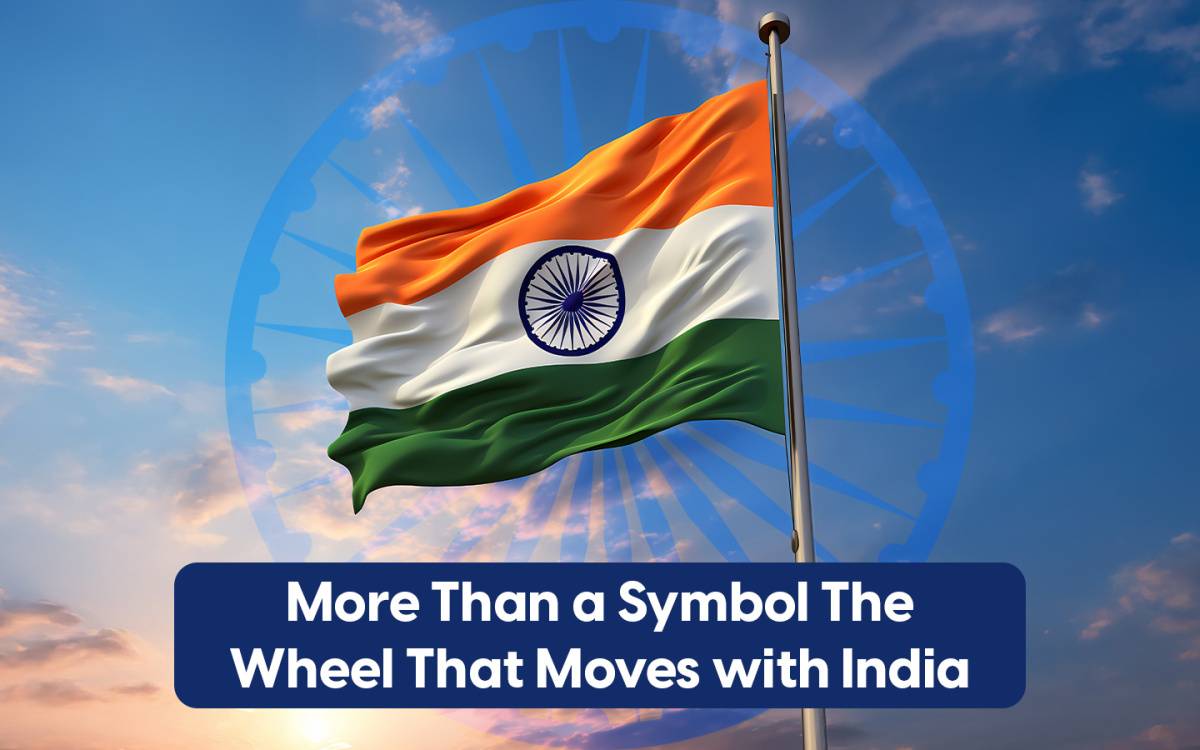
Significance and Meaning of the 24 Spokes in the Ashoka Chakra
As India prepares to celebrate its 80th Independence Day on August 15, 2026, the navy-blue wheel at the centre of India’s tricolour, known as the Ashoka Chakra, takes on renewed significance. The Ashok Chakra in the Indian national flag symbolizes righteousness, duty, progress, and the continuous movement of life.
In 2026, the wheel represents righteous living, moral purpose, justice, and the enduring idea that progress depends on movement, change, and action. The 24 spokes of the Ashok Chakra reflect a fascinating meeting point of India’s ancient heritage, philosophical traditions, Buddhist symbolism, and modern national ideals.
Take a glimpse into India’s 2026 Independence Day celebrations with photos featuring colourful moments, patriotic spirit, and memories worth cherishing.
From Charkha to Chakra: How a Symbol Transformed
The national flag of free India was adopted on July 22, 1947, marking an important milestone in the final weeks before Indian independence. Mahatma Gandhi strongly supported an early Indian flag design that included the Chakra (spinning wheel).
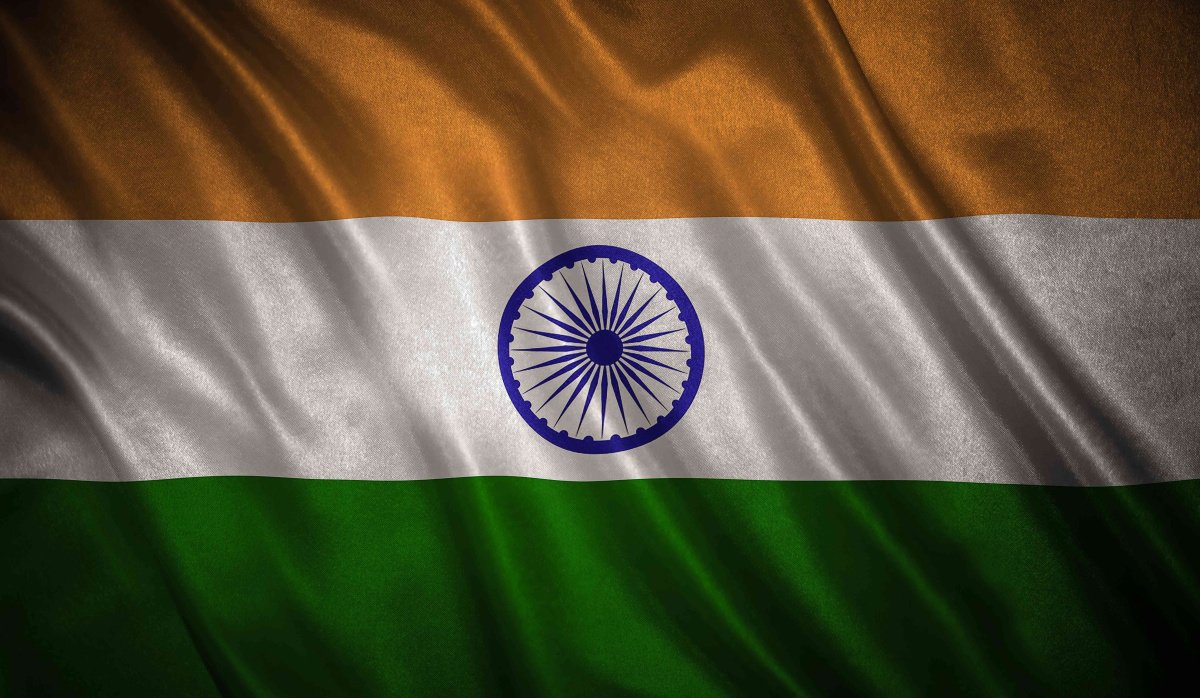
With Gandhi’s consent, the spinning wheel gave way to the Ashok Chakra, which draws its inspiration from the Dharma Chakra on Ashoka’s Lion Capital at Sarnath, which dates to the 3rd century BCE.
By choosing the Dharma Chakra of Emperor Ashoka, who turned away from war in favor of peace and moral governance, India affirmed its dedication to righteousness, peace, justice, and forward movement.
The 24 Spokes: A Symbol of Dharma and Values
The 24 spokes of the Ashoka Chakra are commonly interpreted as symbols of 24 guiding virtues, reflecting the ideals of moral living, responsibility, and progress. They ultimately describe the qualities associated with a responsible and ideal citizen.
These values contribute to the deeper meaning and symbolism of the Ashok Chakra and its place in the Indian national flag.
- Love and compassion highlight the importance of empathy and kindness in building a harmonious society.
- The Pillars of character: goodness, faithfulness, gentleness, and selflessness - lie at the heart of ethical and compassionate living.
- The Virtues of Discipline reinforce the idea that national progress requires individuals to contribute responsibly to the wider community.
- The Pillars of Justice represent the importance of fairness, ethical governance, and respect.
- Empathy and humility encourage citizens to look beyond themselves, respond to others with compassion, and remain modest in their interactions.
The Wheel: A Symbol of Time and Progress
The spokes are sometimes associated with the 24 hours in a day, representing the enticing passage of time and reminding us of the importance of constant effort, movement, and progress.
The Ashoka Chakra embodies a timeless principle: life flourishes through motion, change, and progress, while stagnation can hinder growth. The wheel reflects the idea that individuals and nations must keep evolving to achieve meaningful development.
Make Independence Day more meaningful for children with these 10 Freedom Fighters Your Child Can Dress Up As for Independence Day, featuring inspiring figures from India’s freedom struggle.
For India at the dawn of independence, the symbolism of the Ashoka Chakra carried a vital lesson: freedom was not the destination but the beginning of an ongoing journey toward national progress and development. It reminds us of the necessity of continual progress.
Across Hindu and Buddhist traditions, the Dharmachakra or Dharma Wheel has long represented the journey toward enlightenment, righteous living, and the transmission of spiritual knowledge. In 2026, the spiritual significance of the Ashok Chakra therefore connects the national symbol with India’s ancient philosophical heritage.
The number 24 has also been given a spiritual interpretation, with some accounts associating it with the 24 Rishis connected with the Gayatri Mantra or its 24 syllables. In this way, the Indian national flag continues to connect India’s present-day identity in 2026 with a spiritual and intellectual tradition spanning millennia.
The Ashoka Chakra at the heart of the Indian national flag represents the living spirit, values, and aspirations of India. The meaning and symbolism of the Ashok Chakra also embody the promise of justice and progress alongside the responsibility of duty and righteousness.


