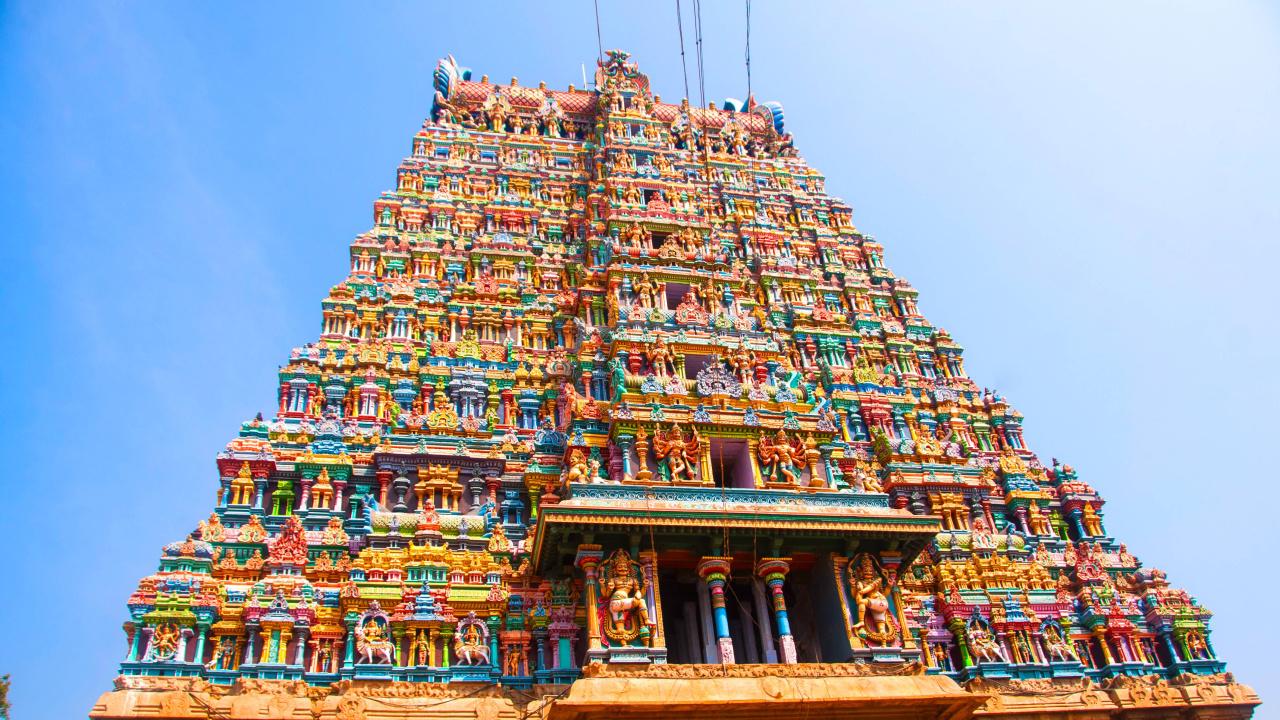
Exploring India’s Diverse Ways of Honouring the Goddess
With the arrival of autumn, cooler nights, blooming marigolds, and the familiar scent of incense mark a season when India turns toward the worship of the Divine Feminine. Known as the festival of ‘nine nights,' Navratri is celebrated across the Indian subcontinent in honor of Shakti, the powerful cosmic energy embodied by the goddess.
Durga, Kali, Lakshmi, Saraswati, and countless regional forms are all part of this rich tradition. At major Goddess temples, the festival is marked by elaborate rituals, processions, and celebrations passed down through generations.
A Festival Born from Myth
Navratri commemorates the battle between Goddess Durga and the buffalo demon Mahishasura, whose tyranny threatened heaven and earth. The battle raged for nine nights before Durga finally defeated Mahishasura on the tenth day, Vijayadashami, representing the triumph of good over evil. Each night honors one of the nine forms of the Goddess, the Navadurga, as devotees observe fasting, prayer, and temple rituals.
The Most Revered Shakti Peethas
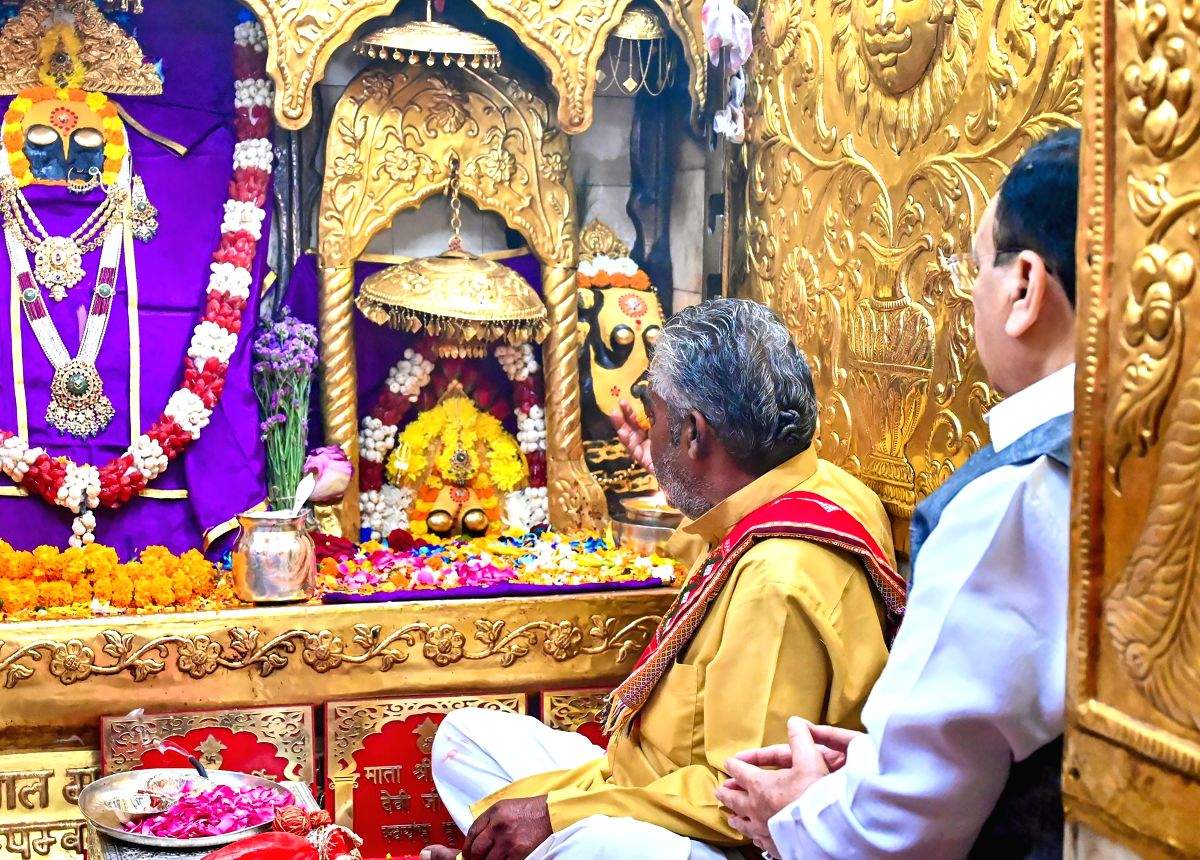
Naina Devi Temple in Himachal Pradesh
The Shakti Peethas are among the most significant sacred sites, with 51 locations believed to mark where parts of Goddess Sati’s body fell after Shiva’s grief-stricken cosmic dance. During Navratri, several of these places draw large numbers of devotees.
- High in Jammu’s Trikuta hills, Vaishno Devi draws millions of pilgrims. At the cave shrine, aarti continues through the night as a steady stream of devotees arrives, especially during Ashtami and Navami.
- At Jwalamukhi Temple in Himachal Pradesh, the naturally occurring eternal flame takes centre stage during Navratri. Special havanas are performed, while devotees gather for jyoti darshan or the viewing of the sacred flame.
- At Naina Devi Temple, Navratri is celebrated with a week-long mela featuring continuous havan, devotional bhajans, and cultural programmes, drawing pilgrims from across North India.
- Ambaji Temple in Gujarat becomes a vibrant centre of Garba and Dandiya Raas during Navratri. What began as a devotional circular dance before the Goddess has grown into a widespread cultural celebration, while traditional aarti and yagnas continue at the temple.
- At Bahucharaji Temple, another major Shakti Peetha nearby, Navratri is marked by large-scale fairs that bring devotees together for worship and community celebrations.
- Kalash Sthapana: installing a sacred pot to mark the festival’s beginning.
- Daily alankaram: presenting the deity in different adornments each day.
- Kanya Pujan: honoring young girls as embodiments of the Goddess.
- Havan and Yajna: sacred fire ceremonies held toward the end of Navratri.
- Visarjan: the ceremonial immersion of the deity’s idol on Vijayadashami.
The Grand Durga Puja of Bengal
In West Bengal, the nine-day spirit of Navratri finds its grandest expression in Durga Puja, where devotion and visual artistry come together spectacularly. At Kalighat Kali Temple and Dakshineswar Kali Temple, the festivities reach a powerful moment during Sandhi Puja, performed at the exact transition from Ashtami to Navami and traditionally associated with Durga’s victory over Mahishasura.
On Vijayadashami, Sindoor Khela marks the festival’s conclusion, with married women applying vermillion to each other in a joyful farewell to the Goddess. In nearby Chandannagar, Jagadhatri Puja continues the celebrations with elaborate pandals soon after Durga Puja.
South India’s Rich Traditions
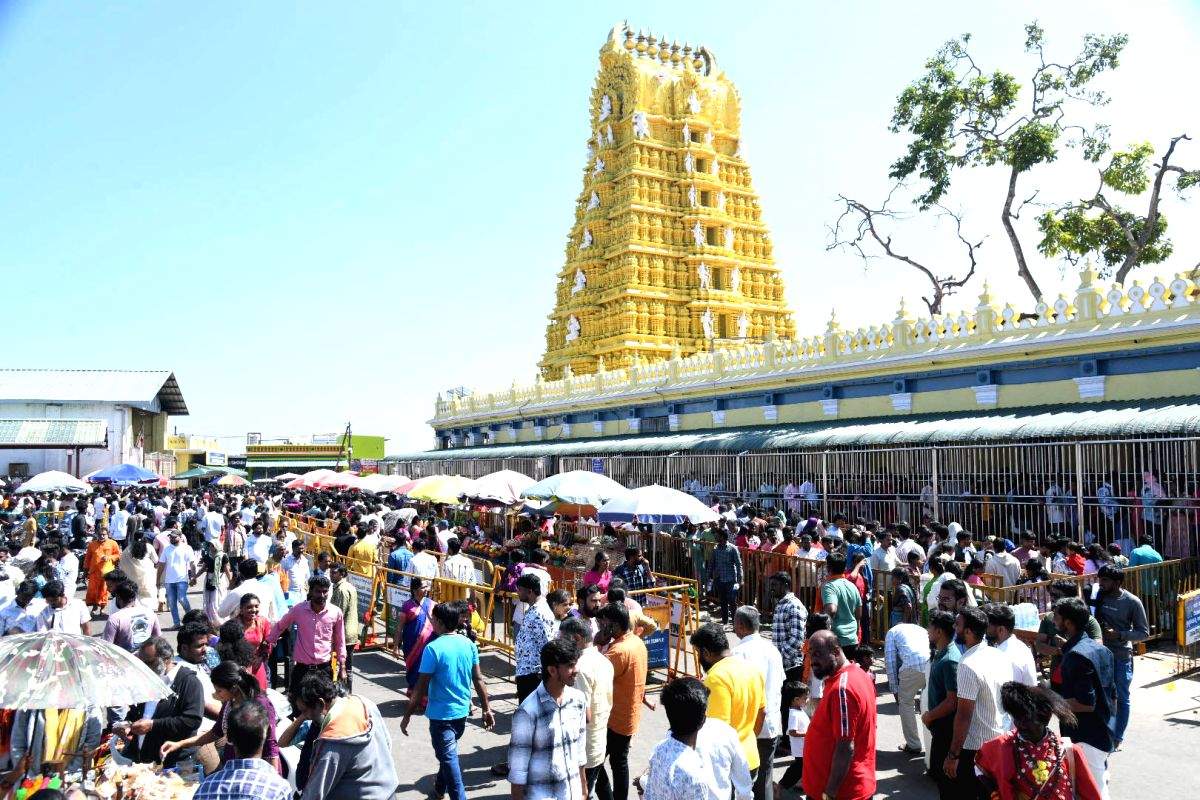
Chamundeshwari Temple in Mysuru
During Navratri, homes and temple halls around Meenakshi Amman Temple in Madurai feature elaborate Golu displays of dolls and figurines arranged in tiers. At the temple, the deity is taken out in a nightly procession on a different vahana each day.
Mysuru’s Chamundeshwari Temple lies at the heart of the legendary Mysuru Dasara, which reaches its grand finale with the Jumboo Savari, a magnificent elephant procession carrying the deity’s golden idol through brightly illuminated streets.
In Andhra Pradesh, Kanaka Durga Temple in Vijayawada celebrates Navratri with a boat festival on the Krishna River and daily alankaram, in which the deity is adorned each day differently. In Kerala, Attukal Bhagavathy Temple marks the occasion with elaborate lamp displays and community-centered offerings.
The Tantric Heritage of Assam
Kamakhya Temple in Guwahati observes Navratri with deep tantric significance, featuring intensive worship, yajnas, and rituals that blend classical Durga Puja traditions with Assam’s tantric heritage.
Common Rituals Across India
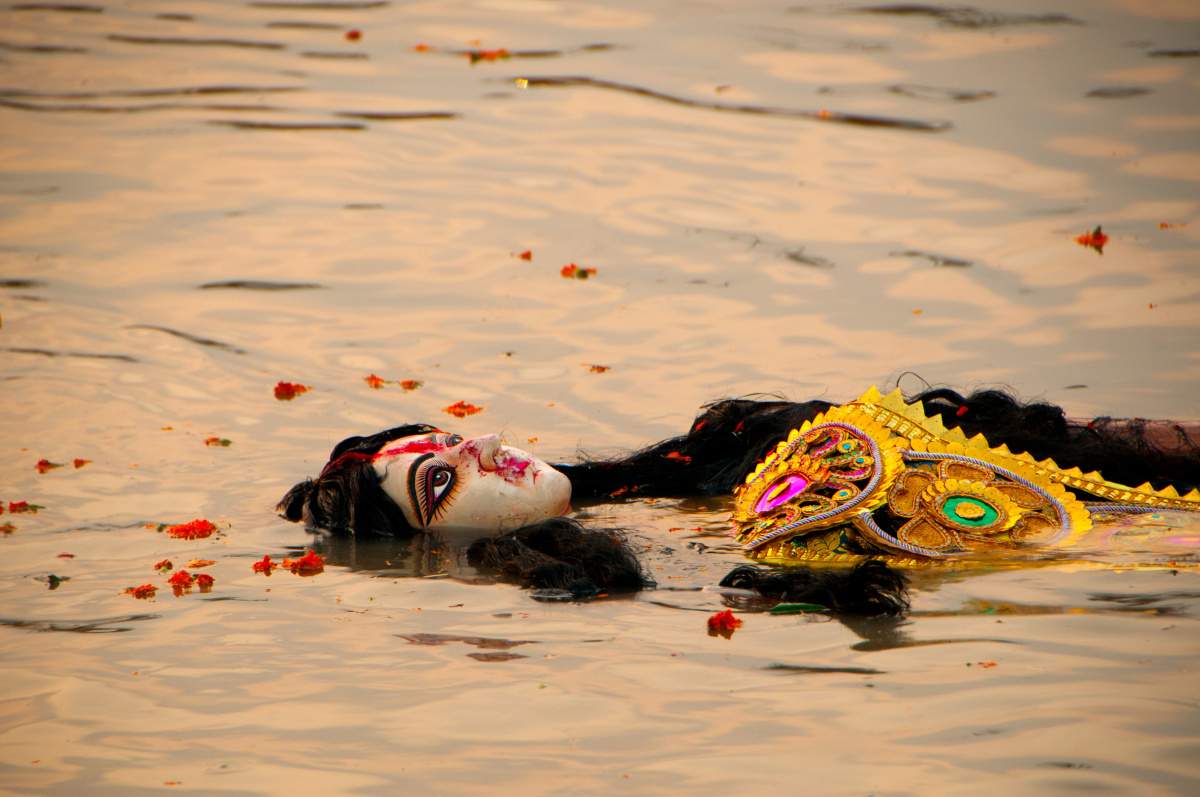
Ceremonial Immersion of the Durga Idol on Vijayadashami
Regional traditions may differ, but certain rituals form a common thread at Goddess temples during Navratri:
What makes Navratri truly remarkable is how its centuries-old traditions live on, with the same rituals still performed at these temples today. From pre-dawn aarti at Vaishno Devi and dhak drums in Kolkata to the swirling Garba circles of Gujarat, every celebration reveals a different expression of the same enduring devotion to the Goddess. As these timeless traditions continue to bring people together, they also inspire devotees to share heartfelt Navratri wishes with family and friends.


