Most people who rule a country don't go back home to a typical average house. Instead, they reside in palaces, mansions, and castles that will take your breath away.
From Rashtrapati Bhavan in India to Buckingham Palace in Britain and the Elysee Palace in France, some of these architectural marvels were made for kings and their families, while others were built centuries ago for the heads of state. A perfect mix of royalty, culture, classical architecture, and history, these residences are some of the most amazing places to exist—and here's proof.
1. Buckingham Palace, Britain
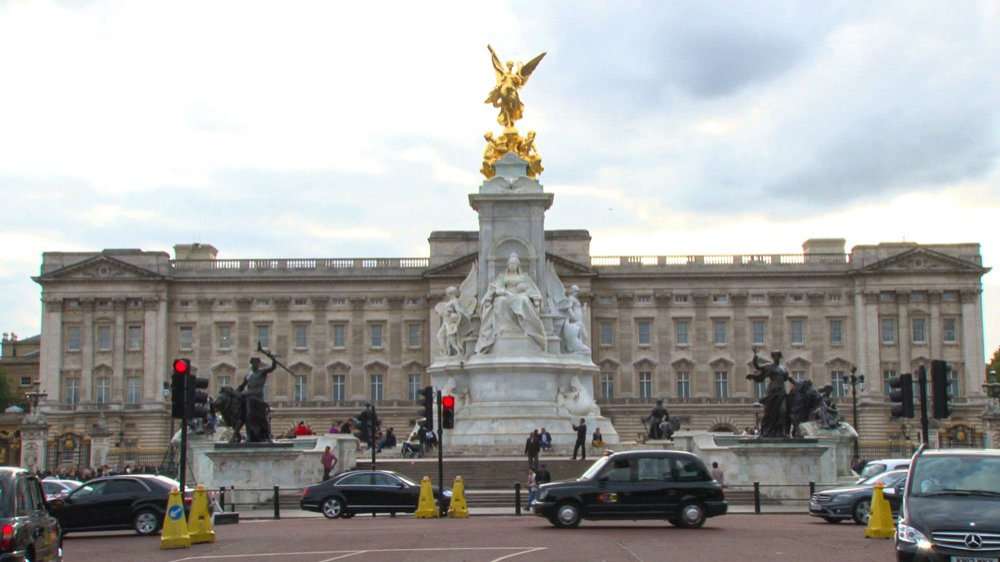
Buckingham Palace, Britain
Buckingham Palace, the official London residence of the British monarch, is steeped in fascinating history and grandeur. Originally known as Buckingham House, it was built for the Duke of Buckingham and acquired by King George III in 1761. The palace boasts 775 rooms in total! The palace also houses the largest private garden in London, covering 39 acres and featuring a lake, a helipad, and a tennis court.
2. White House, United States
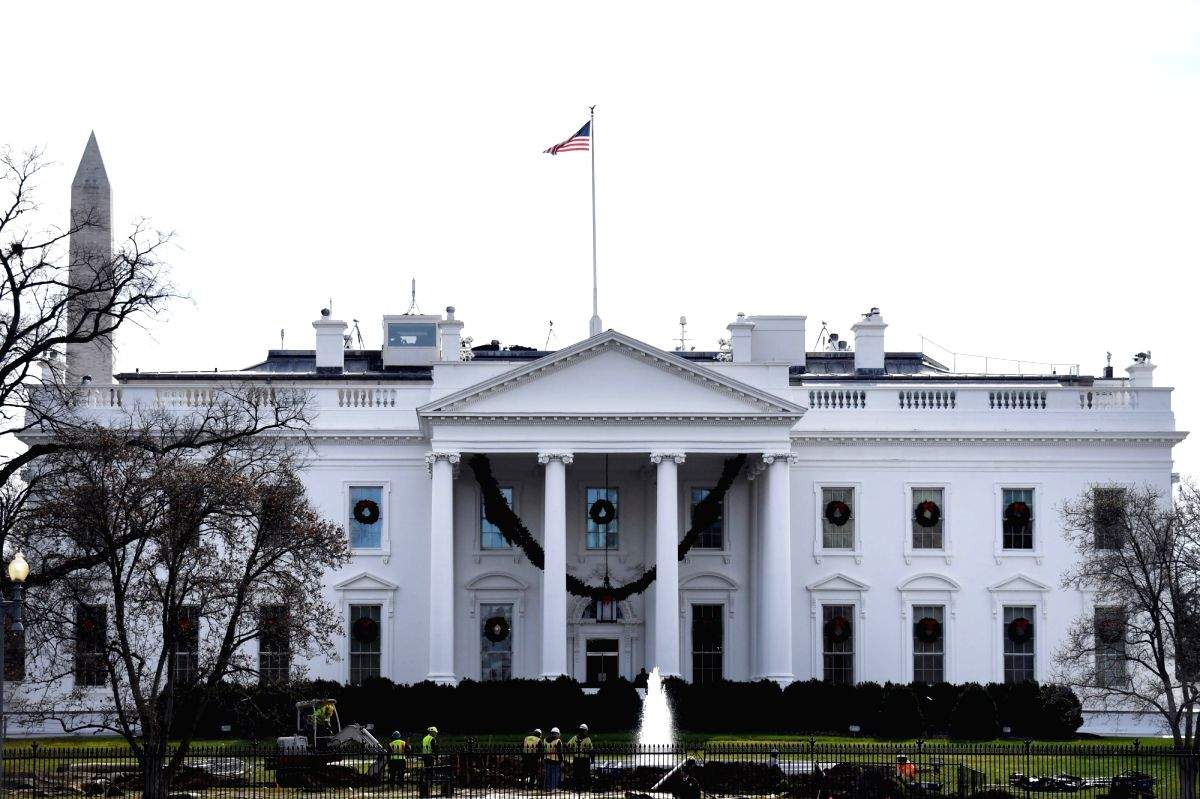
White House, United States
The White House is the official residence of the U.S. President in Washington, D.C. Designed by James Hoban and completed in 1800, its neoclassical architecture features the distinctive white-painted sandstone facade. With 132 rooms, including the Oval Office and the renowned Rose Garden, the White House serves as both a functional executive residence and a symbol of democratic leadership.
3. Rashrapathi Bhavan, India
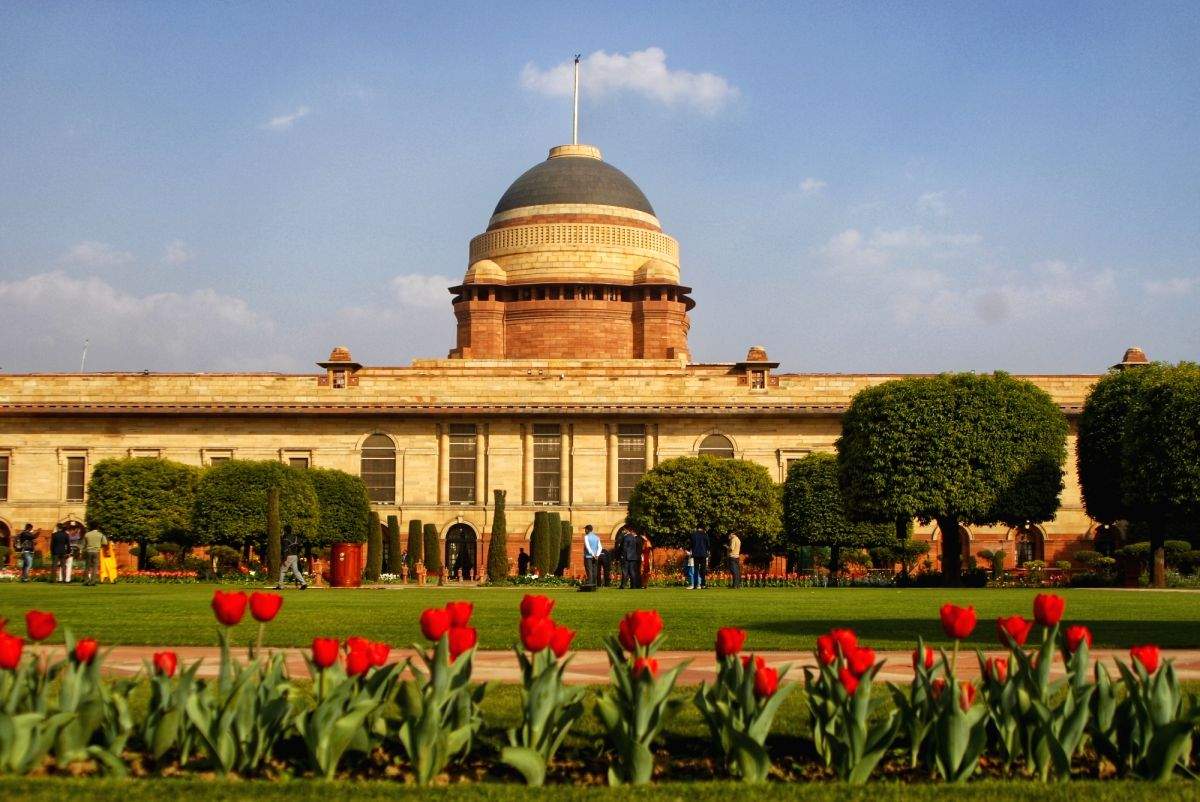
Rashrapathi Bhavan, India
The iconic Rashtrapathi Bhavan serves as a symbol of India's political heritage. This grand edifice is a blend of Indian and Western architectural styles in New Delhi. It boasts 340 rooms, expansive courtyards, and the famous Mughal gardens, reflecting the opulence of the British colonial era.
4. Grand Palace, Thailand
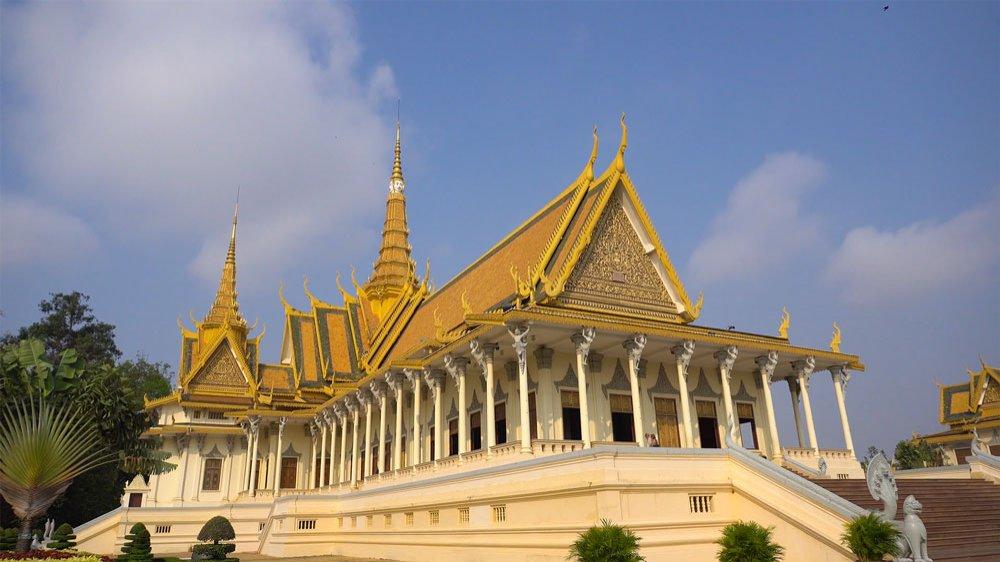
Grand Palace, Thailand
The Grand Palace, built in 1782, is considered the major architectural symbol of the Thai Royal family. The sprawling complex includes over 100 buildings, most of which are built in the traditional Ratanakosin style. The most famous and sacred structure is the Temple of the Emerald Buddha, which houses the most important Buddha image in the country.
5. The Kremlin, Moscow

The Kremlin, Moscow
The cornerstone of Russian power and history is located at the Red Square, Moscow. The Kremlin features a vast fortress complex with distinctive red brick walls and towering spires. The complex contains enough treasures to explore including four palaces, four cathedrals, and the enclosing Kremlin wall with Kremlin towers.
6. Elysee Palace, France
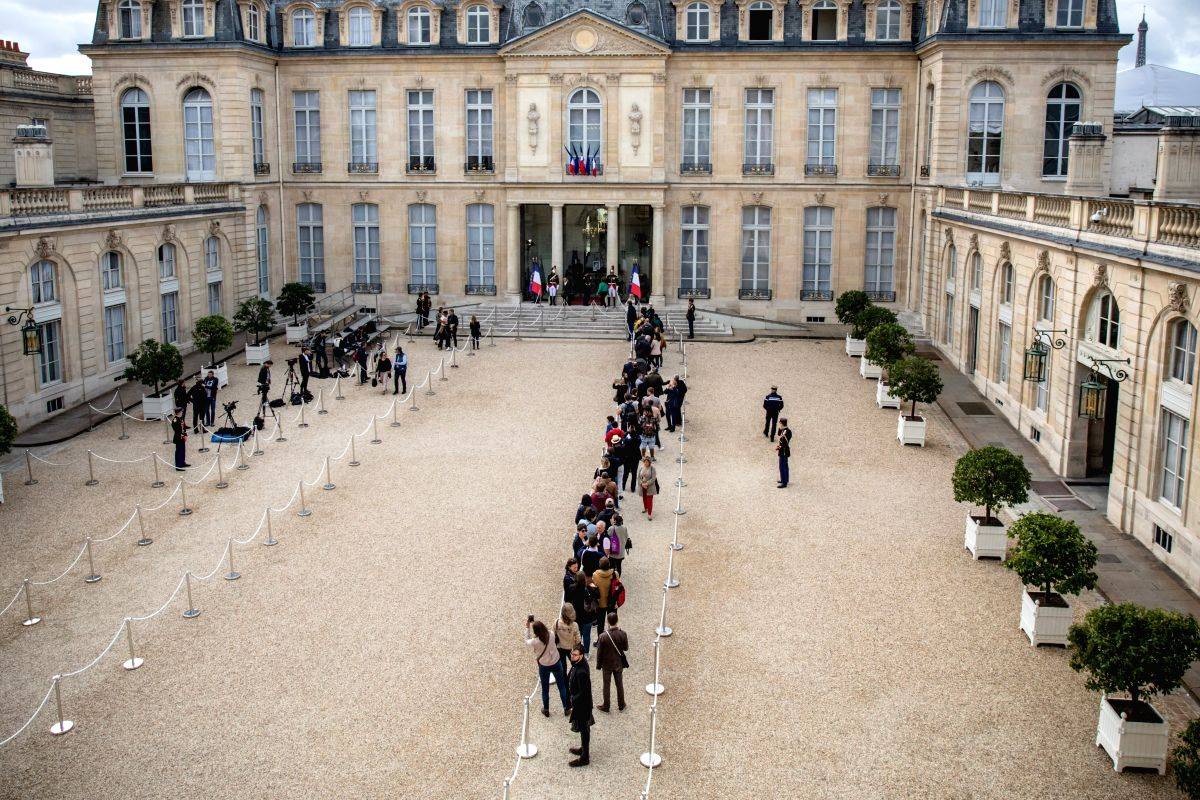
Elysee Palace, France
The Elysee Palace in Paris was built in 1722. The palace has served as the presidential seat since 1848 and is central to French political life. Located at the heart of Paris, its grand salons and historical significance make it a prominent and prestigious landmark in the city.
7. Palacio Real, Spain
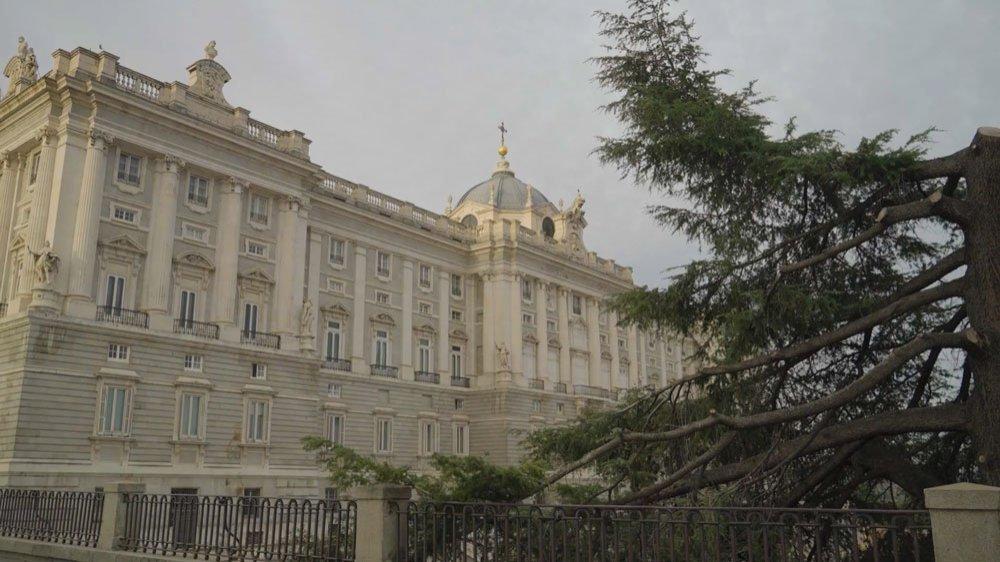
Palacio Real, Spain
The palace, set against the backdrop of Madrid's skyline, serves as both a ceremonial space and a symbol of Spain's royal heritage and architectural excellence. This Baroque masterpiece boasts over 3,000 rooms, including lavish halls, ornate galleries, and opulent chambers. Its striking white facade and elaborate interiors reflect the splendor of the Spanish monarchy.
8. Jubilee House, Ghana

Jubilee House, Ghana
Jubilee House, previously known as the Flagstaff House, is the official residence of Ghana's President. The structure was completed in 2008 to commemorate Ghana's 50th independence anniversary. The building stands prominently in Accra, featuring sleek lines, expansive glass facades, and lush surrounding gardens, symbolizing the nation’s progress and leadership.
9. Koninklijk Palace of Amsterdam, Netherlands
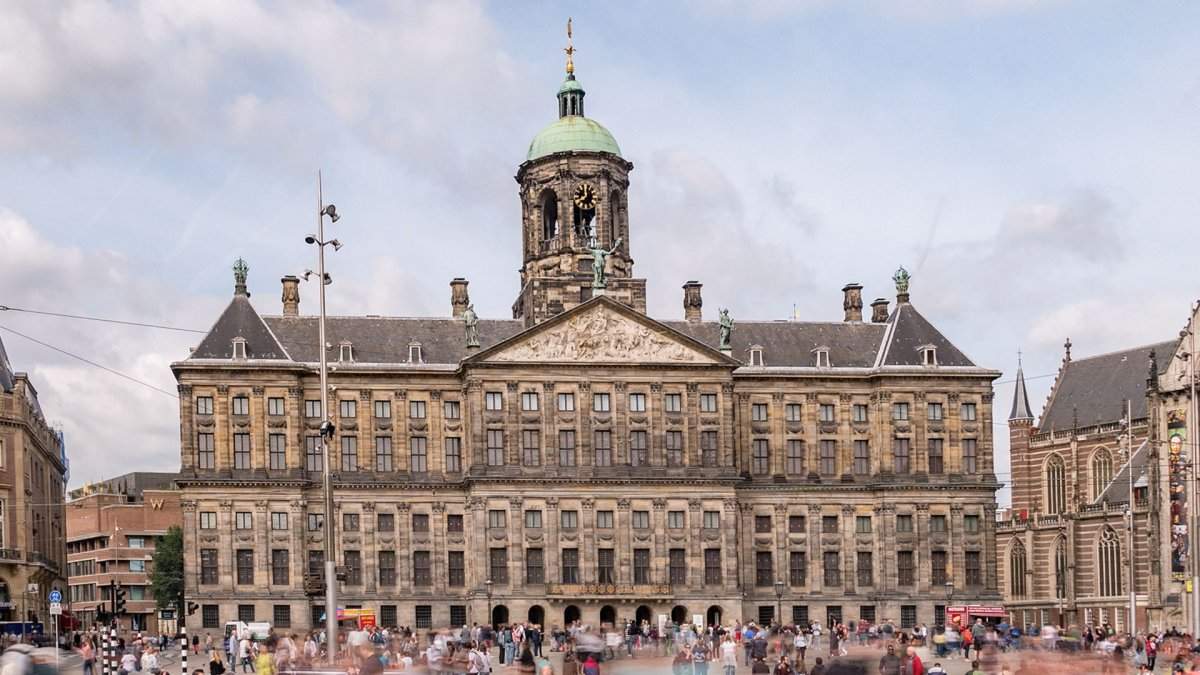
Koninklijk Palace of Amsterdam, Netherlands
This is one of the four palaces in the Netherlands at the disposal of Queen Beatrix. Built in 1665, the palace was meant to be a city hall but later ended up being used as a royal palace. Its striking facade is a grand example of classic Dutch architecture. The elegant interiors reflect the wealth and artistic achievements of the Dutch Golden Age. Today, it serves as a ceremonial venue and a symbol of the Netherlands' royal heritage.
10. Royal Palace of Brussels, Belgium
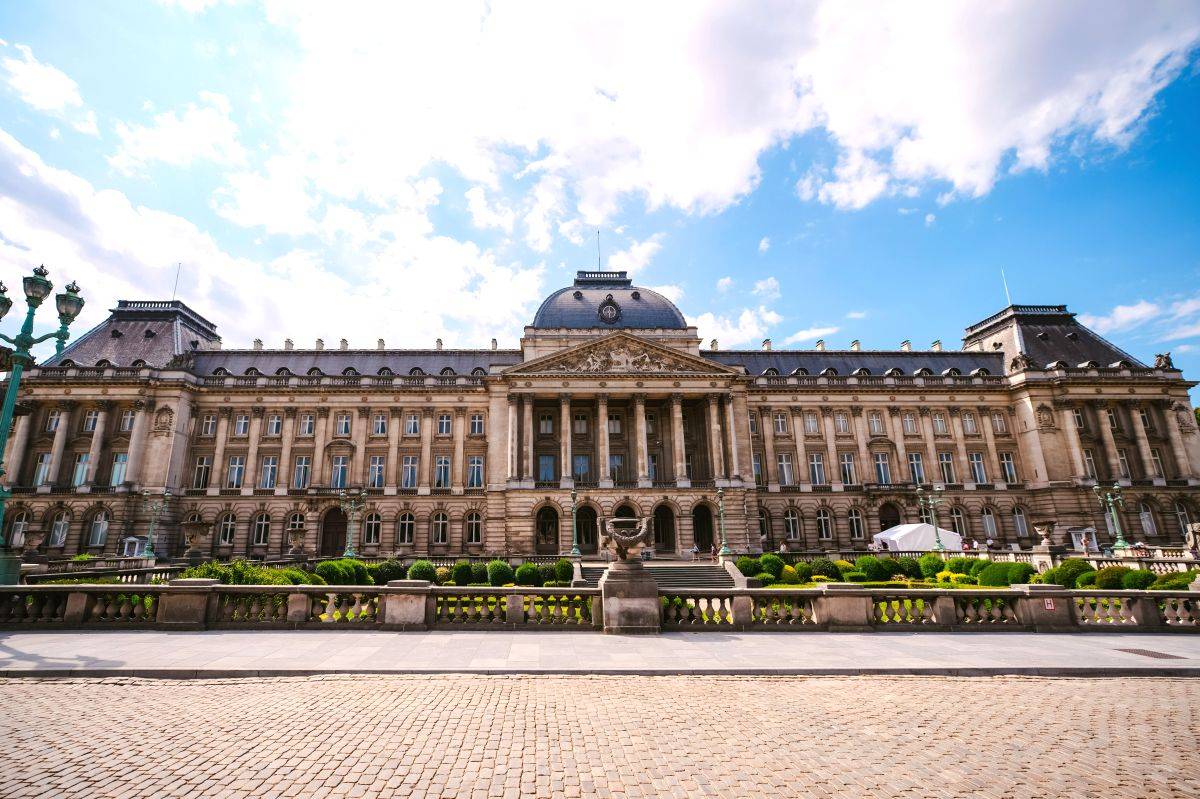
Royal Palace of Brussels, Belgium
The Royal Palace of Brussels, Belgium's official royal residence, stands as a symbol of the country's monarchy. This stunning neoclassical structure took 150 years to be built. The renowned Warandepark, expansive gardens and richly decorated interiors reflect the historical and ceremonial significance of the palace.
These stunning official residences of world leaders stand as testaments to the enduring legacy and influence of their occupants, reflecting the rich histories they represent. As we marvel at their beauty and complexity, we are reminded of the intricate interplay between power, art, and identity in shaping the world stage.


