Amavasya 2026 : Dates, Timings, and Spiritual Significance
Amavasya, the new moon day in the Hindu lunar calendar, symbolizes darkness and marks a powerful time for spiritual purification and ancestral rituals. Some traditions regard Amavasya as an ideal time to begin new spiritual practices, as the dark, moonless night symbolizes renewal and personal growth. Good deeds, charity, or donations performed on this day are believed to multiply in spiritual merit.
In some traditions, Amavasya is also considered auspicious for planting seeds and performing agricultural rituals. In Vedic astrology, Amavasya is linked to strong intuition and subconscious awareness. Some communities observe night-long vigils or perform Shiva puja on this auspicious day. These practices reflect the day’s spiritual power, emphasizing awareness, devotion, and spiritual focus.
Next Amavasya is on October 10, Saturday
Amavasya Tithi Timing*: October 09, 9:36 pm to October 10, 9:20 pm
Moonrise - October 10, 5:51 am
Moonset - October 10, 5:44 pm
(* Timings in IST, for Ujjain. To change location, go to Panchang →)

New Moon night or Amavasya
Ashvina Amavasya (October 10) - Tithi start and end timing
| Amavasya Tithi Timing | October 09, 09:36 PM - October 10, 09:20 PM |
| Place : Ujjain [ India ] See More | |
After October 10, amavasya in November falls on November 09, 2026, Monday.
Significance of 2026 Amavasya
The sacred new moon day, Amavasya, is believed to be the time when the souls of ancestors draw closer to the earthly realm. For this reason, people perform Pitru Tarpan, offering prayers and respect to their ancestors. These rituals are believed to help cleanse past karmic debts, bring peace to ancestors, and ensure prosperity for future generations.
The absence of moonlight on Amavasya 2026 symbolizes Shunyata (emptiness), the primordial source from which new creation begins. Bathing in holy waters and observing silence on this day help purify both the body and the mind. Even though the night is dark, it represents a journey from darkness to light, from ignorance to knowledge, and from ordinary life to spiritual freedom.
2026 Amavasya Vrat and Rituals
On Amavasya, devotees wake up early during Brahma Muhurta, to bathe in a river or with clean water at home. Many people practice silence and meditation, especially on Mauni Amavasya.
After sunrise, the most important ritual is Pitru Tarpan, during which devotees offer water mixed with sesame seeds and rice to honor their ancestors. Many families also perform Pind Daan, offering rice balls to departed souls. Dana (charity), in the form of donating food, clothes, or money to the needy, is believed to remove karmic obstacles.
By midday, devotees perform havan (fire rituals) and puja. On Bhaumvati Amavasya, Lord Hanuman is worshipped, and prayers are offered to Mangal Graha (Mars). Many people observe fasting throughout the day, consuming only fruits or water.
As evening approaches, devotees light lamps (deepas) in their homes and temples. Families chant mantras like "Om Pitrubhyo Namah” and offer food to Brahmins. In 2026, Amavasya coincides with an eclipse, making chanting and meditation during this time especially powerful for spiritual growth.
After sunset, devotees spend time in deep prayers while chanting the Maha Mrityunjaya Mantra, and the fast is broken only after completing prayers and offerings to ancestors and deities.
Popular Amavasya Observances in 2026

People throng Har Ki Pauri to take holy dip in the Ganga river onSomvati Amavasya in Haridwar
Each Amavasya in 2026 has its own special cultural and spiritual meaning. Some are important for honoring ancestors, while others are associated with major festivals like Diwali and special prayers for spiritual growth.
- Magha Amavasya (Mauni Amavasya) - Devotees observe silence known as the Mauna Vrata to calm the mind. They take a holy bath in sacred rivers and perform charity by donating food, clothes, or money to the needy.
- Phalguna Amavasya (Bhaumvati Amavasya) - This Amavasya falls on a Tuesday, when devotees worship Lord Hanuman and honor ancestors.
- Chaitra Amavasya– This Amavasya is linked to the seasonal transition, and devotees perform Pitru Tarpan and observe a fast to honor their ancestors.
- Ashadha Amavasya – Also known as Halharini Amavasya – this day is dedicated to the worship of Lord Shiva and Goddess Parvati. Farmers pray for fertile land and a good harvest.
- Bhadrapada Amavasya – Observed as Pithori Amavasya, mothers worship Goddess Durga for the health and well-being of their children.
- Kartika Amavasya (Diwali Amavasya) - This is the most widely celebrated Amavasya, as it marks the festival of Diwali. People light lamps and decorate their homes to symbolize the victory of light over darkness and good over evil.
- Margashirsha Amavasya – This Amavasya is considered auspicious for performing Pitru Puja, giving charity to honor ancestors, and worshipping Lord Vishnu.
Somvati Amavasya and Holy Dip Tradition
Somvati Amavasya occurs when Amavasya falls on a Monday, a day dedicated to Lord Shiva. This is considered special because Monday is associated with the Moon and Lord Shiva. Amavasya is a time when the moon is not visible, symbolizing silence and inner cleansing. When this peaceful new moon day falls on a Monday, it is believed to become especially powerful for prayers and spiritual practices.
Ancient Hindu texts state that bathing in holy rivers on Amavasya purifies not only the body but also past karmic influences. When Amavasya falls on a Monday, worshipping Lord Shiva, observing a fast, and taking a holy bath are believed to bring prosperity, marital harmony, and spiritual growth. Many devotees take a bath at sunrise in sacred rivers like the Ganga, the Yamuna, or the Godavari. They also offer water to the Sun and perform ancestral rituals.
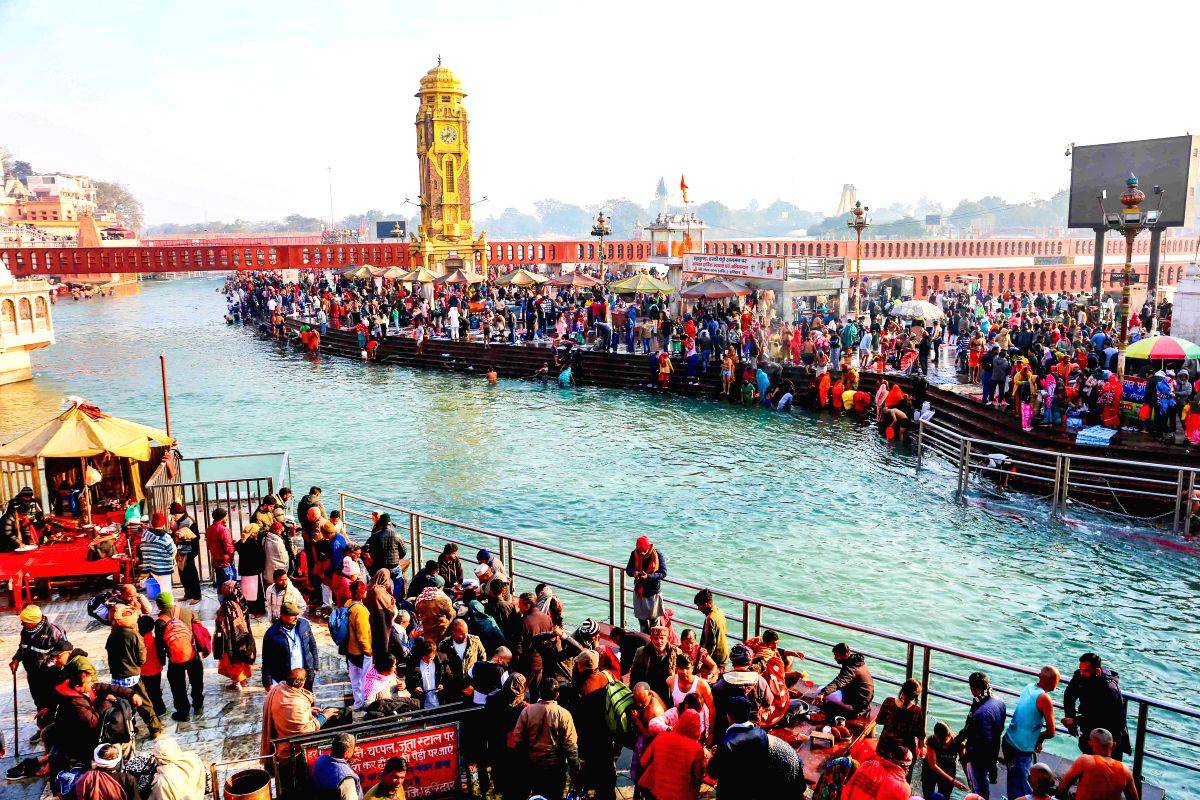
Haridwar: Devotees gather to take a holy dip in the Ganga on the occasion of Mauni Amavasya at Har Ki Pauri, in Haridwar, on Sunday, January 18, 2026.
Many people mistakenly believe Amavasya (New Moon) brings misfortune or negative outcomes because of its darkness. In truth, it is a powerful and positive time for cleansing the mind, honoring ancestors, and renewing your spirit. Some people avoid important tasks on this day due to superstition; however, traditional practices such as bathing in sacred rivers like the Ganga are considered highly auspicious for prayer, charity, and spiritual growth. The darkness of Amavasya symbolizes introspection and the beginning of new spiritual beginnings.
All Amavasya dates in 2026
| January 18th Sunday |
Amavasya Tithi Timing : Jan 18, 12:04 AM - Jan 19, 1:21 AM |
| February 17th Tuesday |
Amavasya Tithi Timing : Feb 16, 5:34 PM - Feb 17, 5:31 PM |
| March 19th Thursday |
Amavasya Tithi Timing : Mar 18, 8:25 AM - Mar 19, 6:53 AM |
| April 17th Friday |
Amavasya Tithi Timing : Apr 16, 8:11 PM - Apr 17, 5:21 PM |
| May 16th Saturday |
Amavasya Tithi Timing : May 16, 5:11 AM - May 17, 1:31 AM |
| June 15th Monday |
Amavasya Tithi Timing : Jun 14, 12:20 PM - Jun 15, 8:24 AM |
| July 14th Tuesday |
Amavasya Tithi Timing : Jul 13, 6:50 PM - Jul 14, 3:13 PM |
| August 12th Wednesday |
Amavasya Tithi Timing : Aug 12, 1:53 AM - Aug 12, 11:06 PM |
| September 11th Friday |
Amavasya Tithi Timing : Sep 10, 10:33 AM - Sep 11, 8:57 AM |
| October 10th Saturday |
Amavasya Tithi Timing : Oct 09, 9:36 PM - Oct 10, 9:20 PM |
| November 9th Monday |
Amavasya Tithi Timing : Nov 08, 11:28 AM - Nov 09, 12:32 PM |
| December 8th Tuesday |
Amavasya Tithi Timing : Dec 08, 4:13 AM - Dec 09, 6:21 AM |
Other Related Festivals
Disclaimer:This page is provided for informational purposes only. Dates, timings, rituals, celebrations, and observances may vary by location, calendar system, panchang calculations, regional traditions, and local customs.